When we have done food events in the past, it has often been our mini pans that attract people to our stand. After the initial ‘ooohs’, ‘aahs’ and declarations of cuteness, people nearly always ask ‘but what would I use them for?’
Well you’d be surprised just how useful they can be. Here’s a few things we like to do with them.
1 Pot Pies
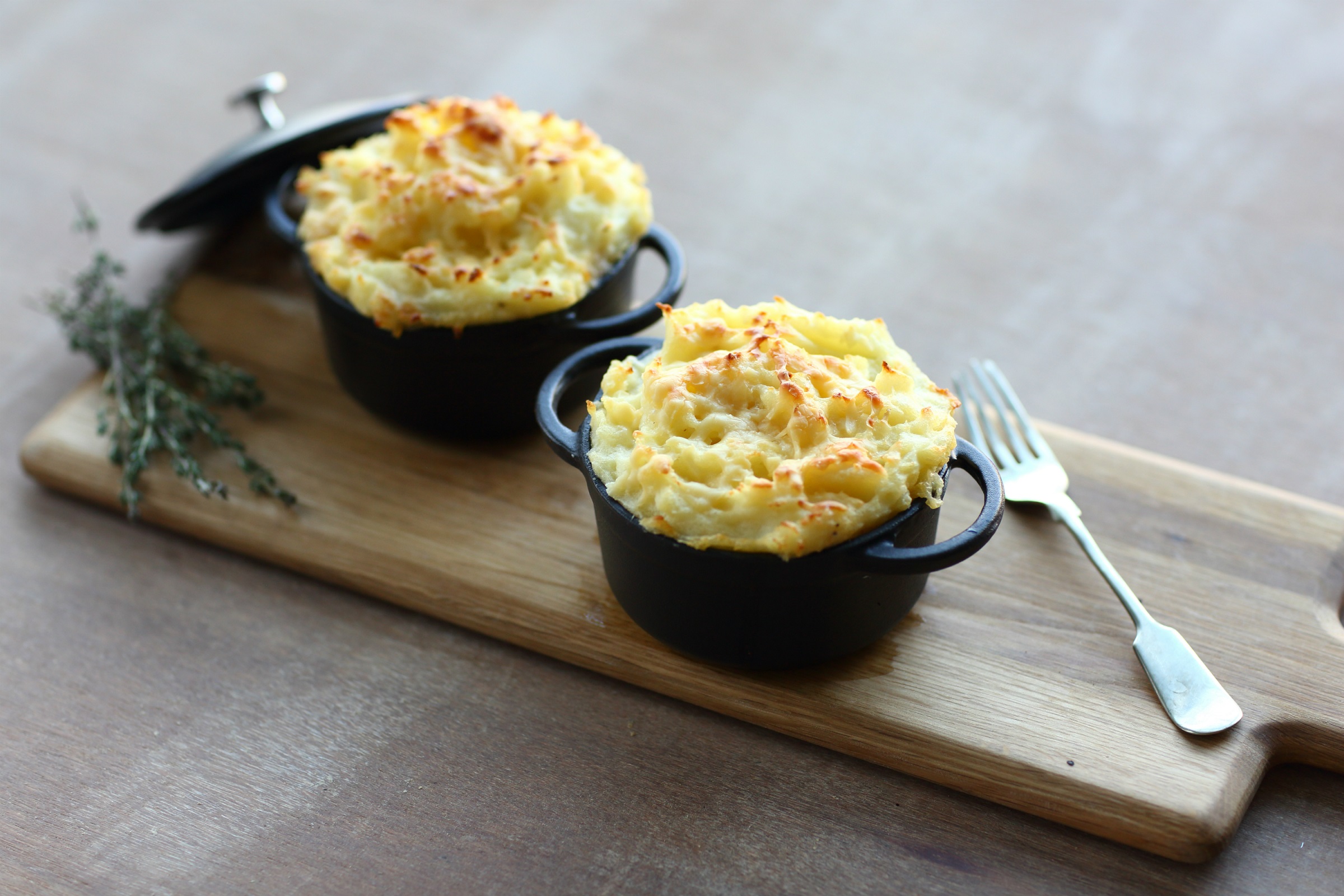
Serving in a Cast Iron 10cm Mini Casserole is a great way to make individual pot pies that are not only sure to impress at a dinner party but provide a more generous portion than you might think.
2 Toasting Nuts and Spices
This helps release the aromatic compounds in nuts and spices, intensifying their flavour which can really improve things like curries and salads. We recommend using a Copper Tri-Ply 12cm Mini Frying Pan thanks to its compact size.
3 Butter, Brandy and Basting
In a professional kitchen the Copper Tri-Ply 9cm Mini Pan would likely be referred to as a butter pan and would be used extensively in the making of sauces and sweets. This functionality carries through to home kitchens too! Warming brandy for the Christmas pud, basting meats when barbecuing or infusing oils for bread, pasta and salads.
4 Serving Dips and Sauces
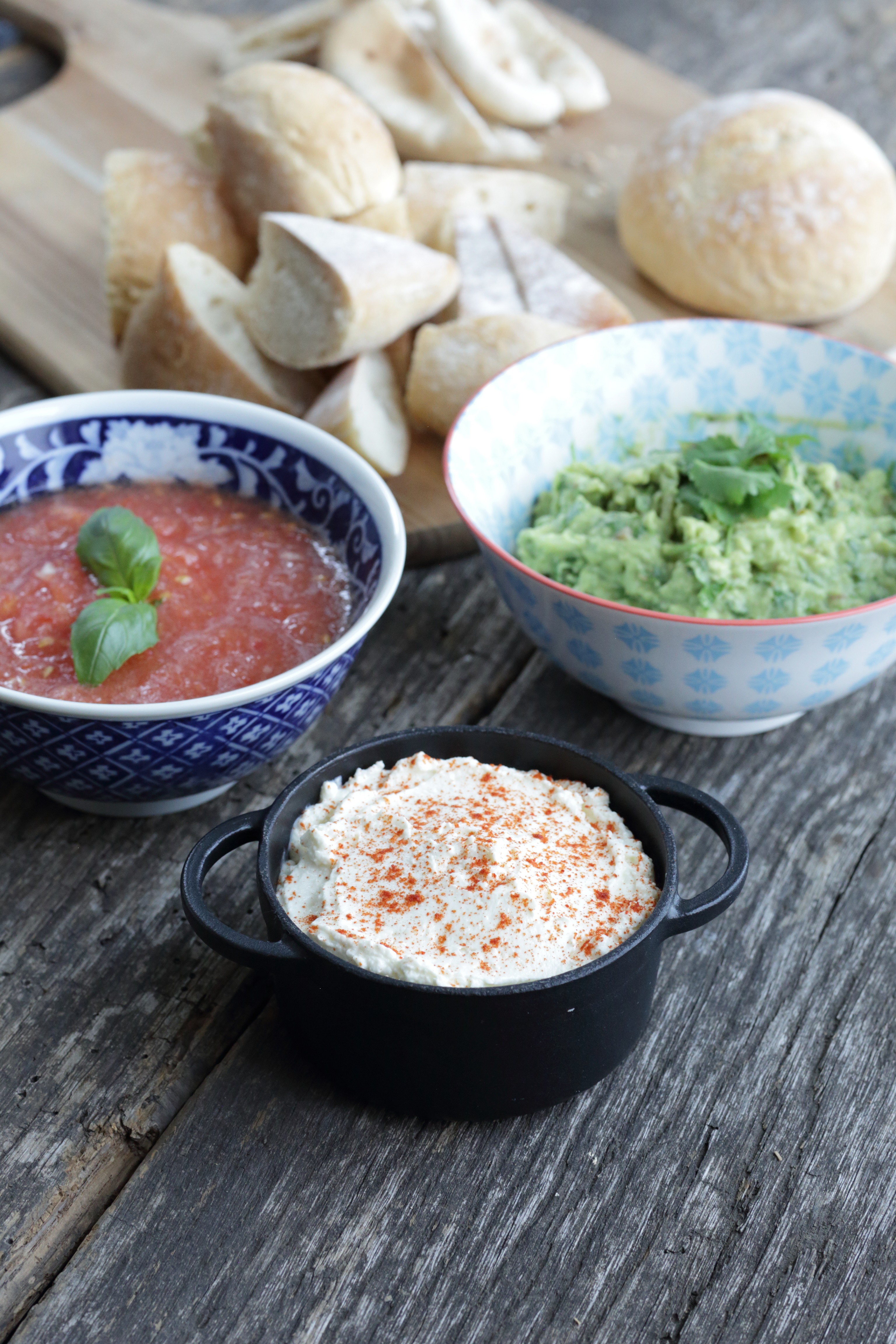
Our Mini Casseroles are a great size for the table. The thermal retention of cast iron also means it can keep its contents warm (or cold, just pop in the freeze for 20 mins before serving) for a long time. Find some great dip recipes here.
If you’re warming baby food or cooking a small portion of veg, the Copper Tri-Ply 9cm Mini Pan comes in very handy.
7 Serving Veg
Whether you’re planning a romantic meal for two or a dinner party for ten, our copper and cast iron minis make for beautiful tableware to make your food feel that bit more special.
Tip: Small pans can be unstable on some hobs. If this is the case with yours we would recommend a hob reducer to ensure your pan is properly supported.
Comments Off on Jöro Restaurant – Tasting Menu & Meet the Chef
Last Thursday the ProWare team enjoyed an 8 course tasting menu at Jöro. The open kitchen is quite unique which creates a relaxed and entertaining atmosphere. Seeing the talent and expertise of the chefs in action makes it an exciting experience. There must be an element of showmanship about it but whilst it was a very lively and busy evening in the restaurant there was an incredible air of control coming from that open kitchen. Head Chef Luke and the team delivered a wonderful and varied set of dishes. We were left not knowing which was our favourite. What we did leave with is an appreciation of unique tastes, ingredients and a memorable evening dining out at what is easily Sheffield’s best restaurant. In addition to the fabulous food, it was a treat to see our Stainless Steel Tri-ply pans and Copper Tri-ply Mini Pan in use during service.
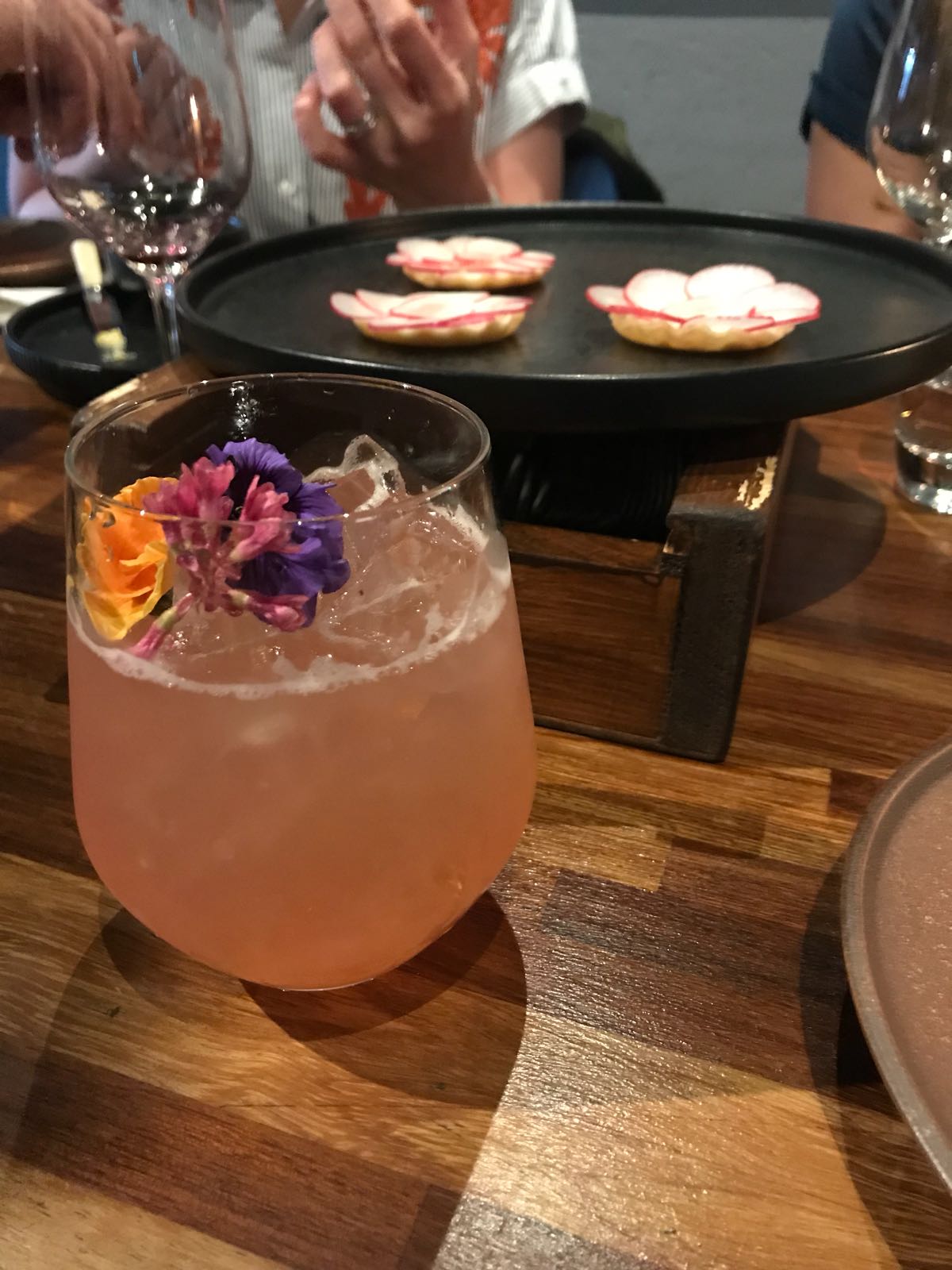
The evening started with a series of amuse-bouches and some freshly made bread. Each dish was expertly explained by our host/sommelier who was a delight. He answered our haphazard questions with charm and interesting tidbits of information including where they forage for some of the food on their menu.
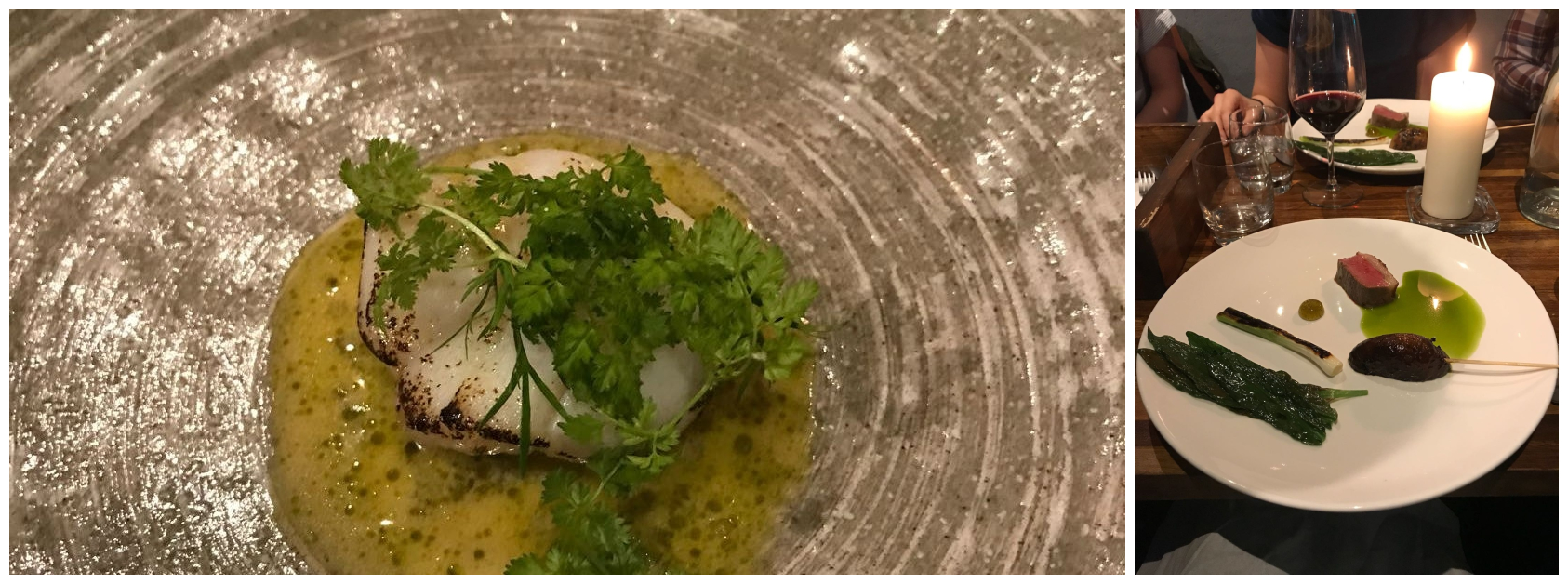
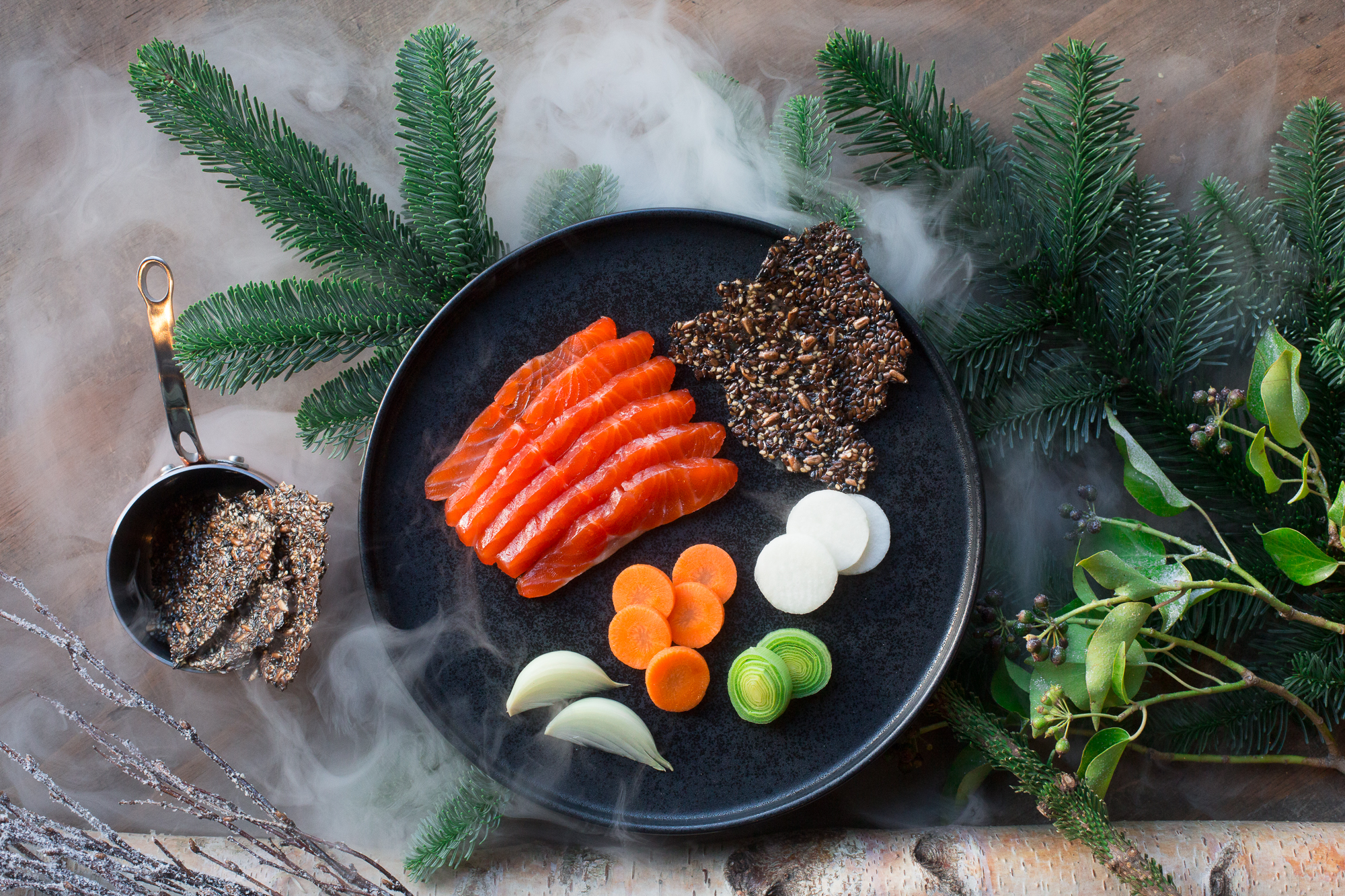
The most popular dishes of the evening were the Cod with chevril as well as the Cumbrian Herdwick Hogget with wild garlic, jersey royal & mint pictured below.
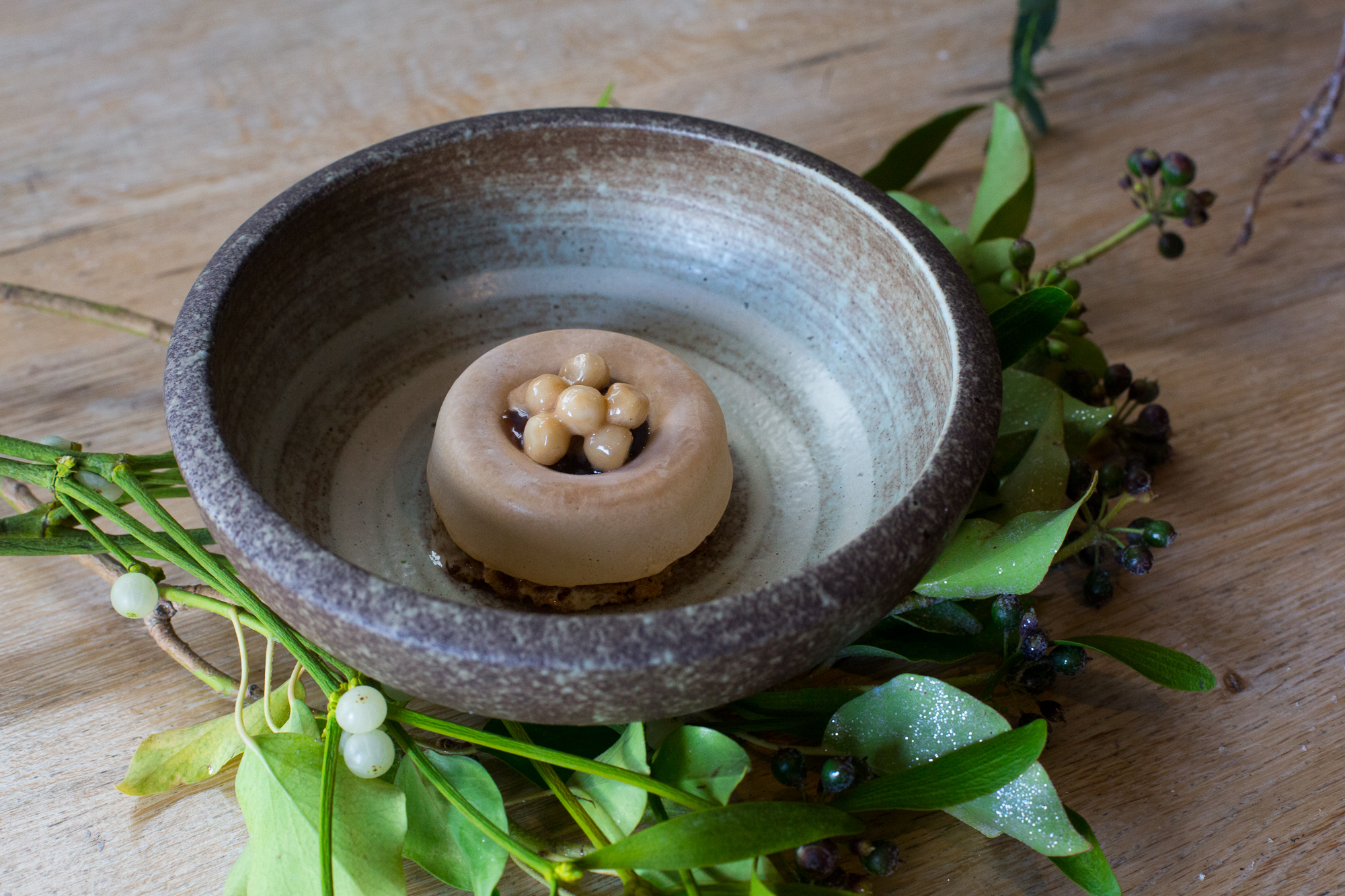
And of course, the Browned Butter Parfait which is one of the recipes Chef Luke shared with us for Christmas. Check out the recipe here.
To read more about Jöro check out our blog here and read more below to find out about how Luke got to the place where he is now.
Meet the Chef – Luke French
Starting Out
Beginning as a kitchen porter at The White Pheasant pub in Fordham, Cambridgeshire, Luke French worked hard to climb up the kitchen ranks, going on to become part of the catering team at the University of Cambridge. Over the following two years he amassed a wealth of knowledge and experience, thanks in part to the wide variety of events that he was tasked with catering, from student meals to large scale banquets, to fine dining for delegates and government officials. He also had the opportunity to try his hand at a great number of international cuisines, expanding his knowledge and refining his skills along the way allowing him to reach a height of Junior Sous Chef.
From here, he went on to work at a selection of high end restaurants such as Aliemtum, Graffiti, Hotel Felix and Gonville Hotel. During this time of working in AA Rosette and Michelin Star establishments, Luke also gained experience working with pastry, an area which had thus far remained unexplored.
Following this, in the months prior to embarking on a global travel adventure, he worked at The Fat Duck. With three Michelin stars and a recipient of the esteemed title of Best Restaurant in the World, Heston Blumenthal’s eatery is noted for its wildly inventive food, multi-sensory cooking and unorthodox flavour combinations.
Luke travelled first to India, on to Thailand, then Vietnam, Burma and finishing in Cambodia. Enjoying the street food on offer and immersing himself in the vibrant cultures introduced him to new, local ingredients. This time, he says, has become a rich source of inspiration for the food he is cooking today.
Upon his return to the UK, he spent some time in Cambridge, working as Head Chef, giving him free reign to develop his own distinctive style of cooking. He eventually moved to Sheffield and joined the team at local gastro pub, The Milestone, where he worked as a sectional chef for two years. A head chef vacancy opened up, an opportunity to which Luke jumped and a position he subsequently achieved.
On the Way Up
Alongside his duties as head chef, Luke worked with Stacy and Mat (Jöro co-owners) to open Craft and Dough, who serve indulgent, innovative pizzas with the finest craft beers available. This formula has proved successful, resulting in the three Craft and Dough restaurants opening in Sheffield and Luke acquiring invaluable experience.
While cooking at event hosted for a group of architects working on a new development, located just around the corner from The Milestone, Luke first heard about Krynkl. Twenty-nine shipping containers, combined to produce “a revolutionary new space created to showcase the best and most exciting independent start-ups and businesses from Sheffield, where they can share space, skills and ideas. A space built for work and play”. After the warm reception received by several pop-ups, hosted at The Milestone, it became apparent that Sheffield was ready for Joro to set up a permanent home. The restaurant opened at Krynkl in November 2017.
A New Direction
With the opening of Jöro, Luke set about redefining Sheffield’s culinary scene with his nature-inspired food, channelling the ethos widely adopted in Denmark and Norway; that cooking should be kept simple to really get the best out of quality ingredients.
“A meal made of many small plates” is the message that greets with you when opening the Joro website.
We can wholeheartedly say that everyone experience a meal at Jöro. We left the restaurant with full bellies and our taste buds tingling. We would like to say a big thank you to Luke and the whole team at Jöro for a wonderful evening. Also we’d like to credit Tom Kahler for the featured image about of Luke.
Comments Off on Foodie Dates for your Diary – May 2018
Spring is now well underway and the weather is getting warmer (hopefully). If you are eager to get out and about to enjoy some great food and drink then be sure to check out some of these great foodie events taking place throughout May.
Featuring around 100 stalls serving cooked and raw foods, pies, cakes, chocolates, sandwiches and salads, beauty and skincare products, candles, preserves, cheeses, jewellery, crafts, healthy treats, sweet treats, clothing, drinks, juices, smoothies, charity merchandise and more! There will also be a variety of talks and workshops running throughout the day.
The Great British Food Festival is back in Derbyshire this May Bank Holiday! Set in the grounds of the magnificent Elizabethan country house, near Chesterfield, in Derbyshire, Hardwick Hall provides a stunning backdrop for a Food & Drink Festival. Gates at 10am each day.
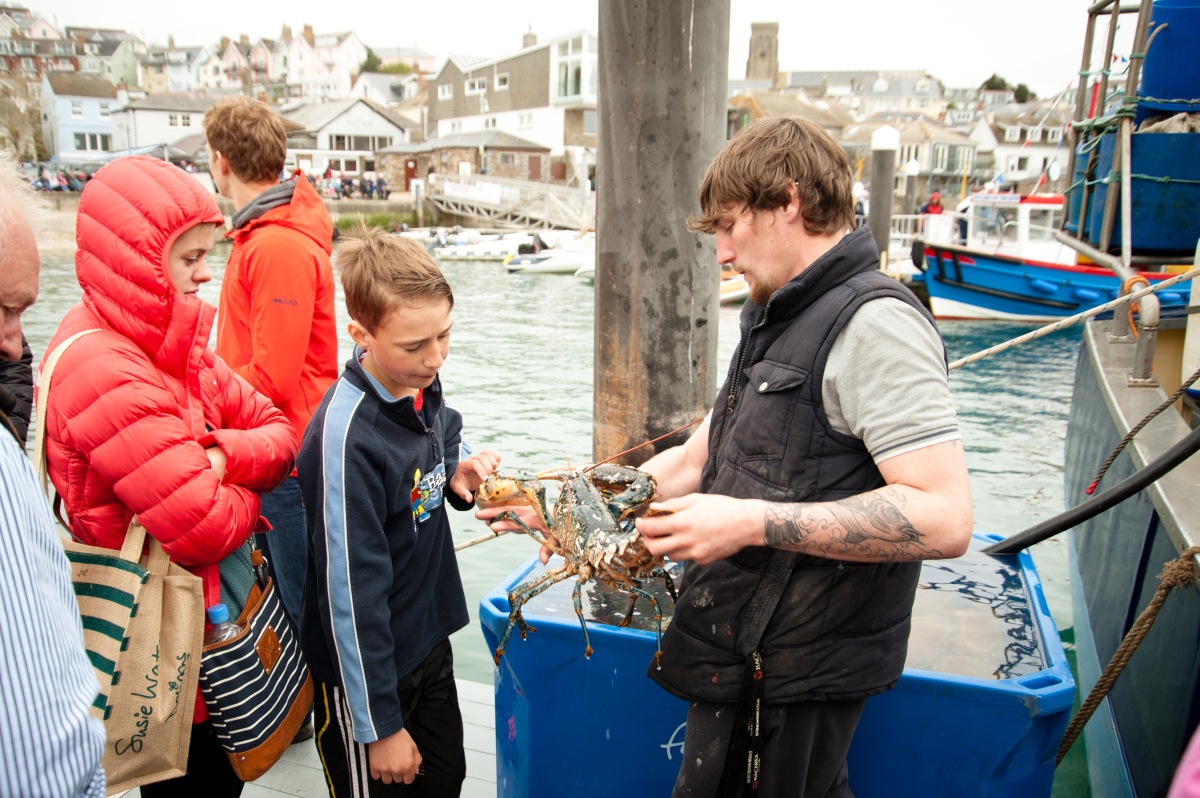
An annual celebration of Cancer Pagurus (brown crab) caught by the Salcombe fleet off the South Devon coast. This ‘famously flavoursome’ crustacean is considered one of the best in the world and Crabfest provides the perfect opportunity to not just crack open some fine tasting crabs but experience a vibrant showcase for the local fishing, food, drink and tourism industries at the heart of our unique area.
A festival for those who love literature Hay Festival brings readers and writers together to share stories and ideas in sustainable events around the world. The festivals inspire, examine and entertain, inviting participants to imagine the world as it is and as it might be.
Foodie specifics:
Ruth Rogers talks River Cafe 30: Simple Italian recipes from an iconic restaurant and reflects on 30 years at the helm of one of the UK’s most iconic restaurants.
Ian Theasby and Henry Firth launch BOSH! their new collection of over 100 incredibly easy and outrageously tasty all-plants meals.
One of the UK’s greatest food writers Rowley Leigh launches A Long and Messy Business. “This book is a selection of our work over five years. It is arranged by month because I think that provides a more compelling narrative. Some dishes are starters, some ‘mains’, and some puddings but as often or not they are just something to eat when you are hungry.”
The future of food production forms a central strand of programming – UK Secretary of State for Environment, Food and Rural Affairs Michael Gove debates the future; former Welsh Environment minister Jane Davidson delivers the festival’s inaugural INSPIRE Lecture; CEO of Compassion in World Farming Philip Lymbery talks Dead Zone: Where the Wild Things Were; journalist Maryn McKenna presents Plucked! The Truth About Chicken; and climate expert Mark Lynas talks Seeds of Science: Why We Got It So Wrong On GMOs.
Rooted Forrest School offer foraging and outdoor cooking workshops for young people in the Hay Festival Wild Garden.
Plus, the on-site food court showcases the very best locally produces cuisine: from Welsh Venison, to Shepherd’s Sheeps Milk Ice Cream.
Harewood House is an 18th century, Grade I listed building, with a 1,000 acre landscape, designed by Capability Brown. Part of the estate has been developed as the village in the ITV soap opera Emmerdale.
The Great British Food Festival at Harewood will be situated on the lawn right in front of the house. Your ticket to the event also includes free on-site parking and FREE access to the gardens and grounds, below stairs area of the house and bird garden, home to over 30 birds from around the world.
Taking place on the banks of the picturesque River Medway, this great event will provide an opportunity to try, taste and buy from more than 70 stallholders selling a delicious range of local and world food and drink. There will be delicious cheeses, breads, cakes, sweet treats such as fudge and marshmallow; locally roasted coffee and specialist teas as well as other food related stalls.
Sheffield Food Festival is a celebration of the city’s vibrant food scene, showcasing our great local produce, talented chefs, mouthwatering street food and outstanding brewers and distillers. The city’s largest free to attend event takes place for its eighth year from 26th – 28th May 2018 in the city centre, spreading across the Peace Gardens, Winter Gardens, Millennium Square, Town Hall Square and Fargate, attracting over 40,000 visitors across the weekend.
British Cured Meat Festival
27th May, Borough Market London
The festival is the very first of its kind and will feature demos, street food, craft beer, and stalls from British meat and cheese suppliers to a backdrop of live music and DJs. A whole host of British cured meat producers will be offering tastings as well as wine and beer pairings including Moons Green, Trealy Farm, Cobble Lane Cured, Great Glen Charcuterie and Blackhand plus some new faces in the recently launched Tempus by Dhruv Baker and Tom Whitaker.
Our lives are getting busier and our diaries are getting fuller. We are now contactable at all hours, information is being thrown at us on an increasing number of platforms and there never seems to be enough hours in a day. But as people are become less willing to set aside what little free time they do have to the pursuit of cooking, perhaps that is exactly what they need.
Research suggests that those who regularly eat home cooked meals tend to be happier and healthier. They consume less sugar and processed foods and as a result have higher energy levels and better mental health[1]. Children also stand to benefit from cooking at home with a link emerging between regularly eating home-cooked food as a family and healthier, happier kids who are less likely to use alcohol, drugs or cigarettes later in life[2].
They may be quick, convenient and (let’s be frank) tasty but takeaways have their issues. Perhaps the most significant of these is expense. Ordering a meal for two from your local Chinese, Indian or pizzeria is unlikely to leave you much change out of £20. There are also several health concerns surrounding takeaway food, with it being generally much less nutritious than home cooked food. It is also typically higher in energy, fat and salt. This disparity is amplified further by reduced likelihood of exercising portion control when eating out or ordering in.
How to Get Back in the Habit
If you find yourself tempted by takeaways but are struggling to motivate yourself, we have put together some great tips to not only help get back to cooking but to enjoy it as well!
Get Your Kitchen Sorted
You are far more likely to want to cook at home if your kitchen is a nice place to be. Keep it clean, organise it in a way that works for you and (if you aren’t blessed with a dishwasher) don’t leave the washing until tomorrow, it will put you off going back in.
Keep it Simple
Home cooking doesn’t have to be complex or elaborate, leave that to the professionals. The simple things are often the quickest and most delicious. Cook what you like to eat but don’t be afraid to try something new.
Stay Stocked
You are more likely to give a recipe a whirl if you already have most, if not all, the ingredients already in. Make sure you always have stock of those ingredients you find yourself using regularly. If it is something with a long shelf life and you have the space, consider buying in bulk as you can often save quite a few quid. Find out some of our favourite cupboard staples here.
Plan Ahead
Write. A. List. Decide what you are going to make on each day in advance and write a shopping list accordingly. Remember to take stock of what you already have in to make sure you are using things up before buying more. If you stick to your plan you will find yourself not only spending less on impulse buys but also throwing less away at the end of the week.
One-Pot Wonders
Sometimes it isn’t the cooking that has you reaching for a takeaway menu, it’s the thought of washing up. A great way to keep clean-up to a minimum is going for a one pot recipe. Don’t think this just mean things like soups and stews. Instead think pasta, risotto or even a pilaf. Find loads of great one-pot recipes here.
Make Extra
Things like chilli, casseroles and curry are easy to make in batches. Cook more than you need and freeze leftovers for an other day. It is much easier to get in and just do a bit of rice than it is to start from scratch everyday.
Slow Down
If you can, cook up some slow-cooking recipes in your stock pot. These kinds of dishes are perfect for feeding the whole family and have left overs for the rest of the week. Once you start doing it, you’ll never stop. Just throw everything in and get on with other things while it simmers away. The internet is full of great recipes if you’re unsure about what to make and this medthod is excellent for cooking joints of meat. Simply plonk a joint of beef on a bed of onions and carrots, add 750ml of water and cook on low heat. An absolute fail-safe Sunday roast (be sure to use the cooking juices to make a top notch gravy).
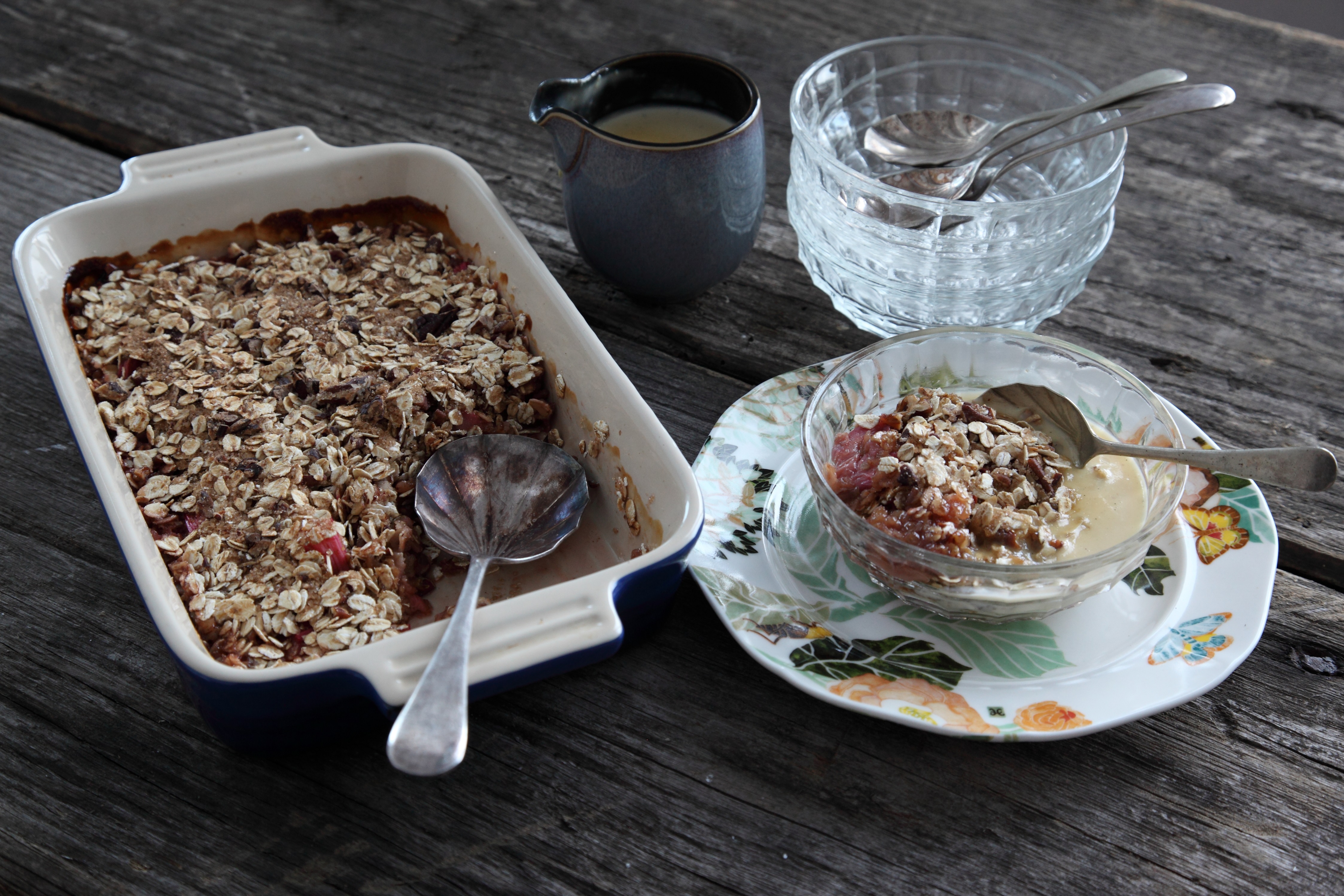
It is always nice to get back to the classics like rhubarb crumble.
Get in Touch
If you have any comments, tips or questions we would love to hear from you! You can contact us here. Alternatively you can tweet us or email us at info@proware-kitchen.co.uk
This is a phrase that is thrown around all over the place these days. Whether its chocolate bars getting smaller or washing machines packing in after just a few years, it is becoming more evident that everyday items are gradually transforming into shadows of their former selves.
The cost of raw materials is increasing. As is the pressure to be competitive in a market saturated with products and outlets. It is therefore understandable that companies are de-spec’ing their products in order to make their production viable and profitable. An unfortunate downside of this is that product quality and longevity suffer, making items less durable in a society that is becoming increasingly throwaway.
Brands that continue to manufacture a product designed to last, who are unwilling to sacrifice quality to participate in a race to be cheapest and are now something of a rarity. We believe ProWare to be an example of such a brand.
Our cookware is used daily in professional kitchens
‘What would we want in our own kitchen?’
When developing our products, we wanted the result to be something we would be willing to buy ourselves, that would satisfy our appetites for quality and value.
For this reason, we went above and beyond when specifying our cookware. The Tri-Ply ranges have a minimum wall thickness of 2.5mm (up to 3mm in the Copper Tri-Ply). This is more than six times that of some commercially available items. The handles on all our pan ranges are cast stainless steel, as are the rivets used to attach them. Securing the handle with stainless steel rivets requires 200 tonnes of pressure and ensures the handle will never loosen. Most manufacturers use aluminium rivets, which are fastened using only 45 tonnes of pressure due to aluminium being a softer metal than stainless steel. This is considered a more cost effective choice but aluminium can deform as a result of sustained stress or frequent jarring. This can cause handles to loosen with time.
Perhaps the most vunerable part of any pot or pan is the interior. It is this surface that will be exposed to the most hostile conditions. The interior of a pan will regularly come in to contact with three potentially destructive elements; moisture, heat and acidity. These can combine to become detrimental to some metals over time so it is essential the correct ones are used. That is why we use 18/10 grade stainless steel for the interiors of all our pans. The name refers to the chromium and nickel contents of the steel. This is considered the highest grade of stainless steel in domestic use and is noted for its excellent resistance to corrosion.
You can find out more about the construction of our pans here.
Buy well, buy once
We are confident in the knowledge that we have done everything possible to make our pans as good as they can be. It is this which allows us to offer a lifetime guarantee across all ranges with the exception of our non-stick items. The non-stick we use is Teflon Platinum Plus, a market leader renowned for its toughness and longevity. As good as it may be, it will not last forever.
We hope you can share our faith in the cookware we produce and that you can make a purchase knowing it will stay with you through decades of use to be passed on to future generations.
Comments Off on Foodie Dates for your Diary – April 2018
Spring is here and with it comes a lot of exciting foodie events for you to enjoy! Veganism and vegan food has become increasingly popular in recent years which is evident in April’s abundance of vegan festivals which include lots of food stalls and more, giving you the opportunity to try out some lovely food.
The beautiful Walton Gardens will become a foodie paradise; hosting over 40 artisan producers serving lots of tasty hot food as well as great drinks to enjoy. The festival events will be held in the newly refurbished ‘Riding School’ as well as the main lawns and bandstand. Bring the family and enjoy all that this fabulous event has to offer.
This festival, hosted in the stunning seaside town of Porthleven is perfect for the foodie who is also a music lover. This 3 day event, now in it’s tenth year is a well established event which brings around 30,000 people together each year who gather to enjoy demonstrations at the national and international chef’s theatre, enjoy tasty treats from the many food stalls, as well as music day and night and entertainment for all.
The Surrey Food Festival returns for its 3rd year in 2018 with over 100 different food stalls showcasing their products, fantastic marketplace traders and a Kids Zone full of entertainment for the children to enjoy. They’ll be a number of acts performing on the main stage throughout the day with plenty of bars offering various drinks ranging from champagne to speciality ale. If you love food and drink this is definitely the place to be, a fantastic day out for all the family to enjoy! Tickets are currently on sale at £7 per person (under 16’s are free) with children’s wristbands available at £20 giving the little one’s unlimited access to the Kids Zone (wristbands available by pre-order only http://www.surreyfoodfestival.com/tickets/ ). Make Richmond Upon Thames your number one stop this April, you really don’t want to miss out on this fantastic event!
Due to the massive success of the 2017 event The Northern Vegan Festival 2018 will remain in huge venue Manchester central, Windmill Street, M2 3GX . The festival will have 200 stalls, 10 world food caterers, inspirational talks, innovative and exciting cookery demos, children’s activities, yoga, free samples and a huge seated cafe area. 100% of ticket money goes to animal welfare charities as the festival is fully volunteer run.
Glasgow Trade Halls – 50 fantastic stalls each day, 8 world food caterers, all day talks and all day cookery demos.
Birmingham Vegan Festival 14th April
100 stalls featuring mainly food. The profits of the event go to the charity organising the event which helps care for and rehome animals that have been rescued.
The Scottish Vegan Festival is one of a series of vegan festival events. Our inaugural event was at the Corn Exchange, 10 New Market Rd, Edinburgh EH14 1RJ on Saturday 1st October 2016. They repeated it and grew the event in 2017 to be twice a year.
Comments Off on Growing Your Own – Why Everyone Should Try It
Accessing fresh fruit and vegetables has never been easier; by popping out to your local supermarket, you can buy almost everything the year round. We are no longer required to move with the seasons and to select ingredients according to the time of year.
A consequence of this highly consistent availability is a huge increase in food mileage – the distance your food travels from field to shelf. In a society becoming increasingly aware of its carbon footprint, it makes sense to try and reduce our reliance on imported produce and to utilise the space we have in our own gardens.
Why do it?
The aim is not to start a farm, live off the land and become fully self sufficient. Even if we can reduce the amount of produce being imported, just slightly, it would be start in decreasing the amount of fossil fuels used in the transport of food. This especially applies over the summer months when most of what we buy in the supermarkets can be grown here without specialist equipment. In addition to this, there are plenty of reasons to start home growing, aside from the environmental factors.
There are few pleasures that can be likened to the sense of achievement one feels when you have grown a tangible, edible thing from a seed the size of a grain of sand. The hours spent planting, watering, pruning and weeding can also prove highly therapeutic. The time provides a chance to get out in the fresh air, away from computer screens and beeping gadgets, to de-stress and re-calibrate your mind. This is before you consider the money you can save and quality of the food you can produce as a result of your efforts.
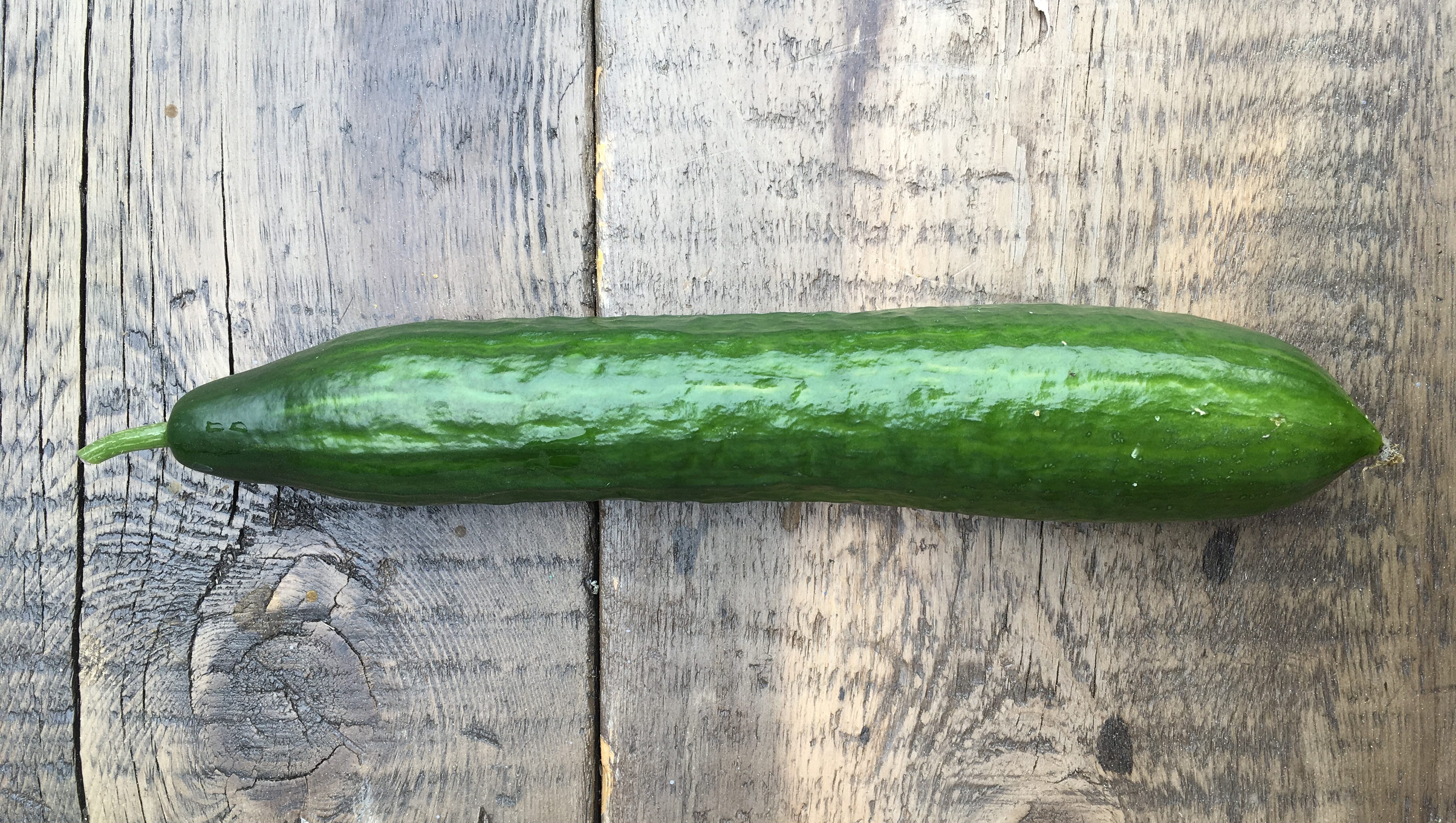
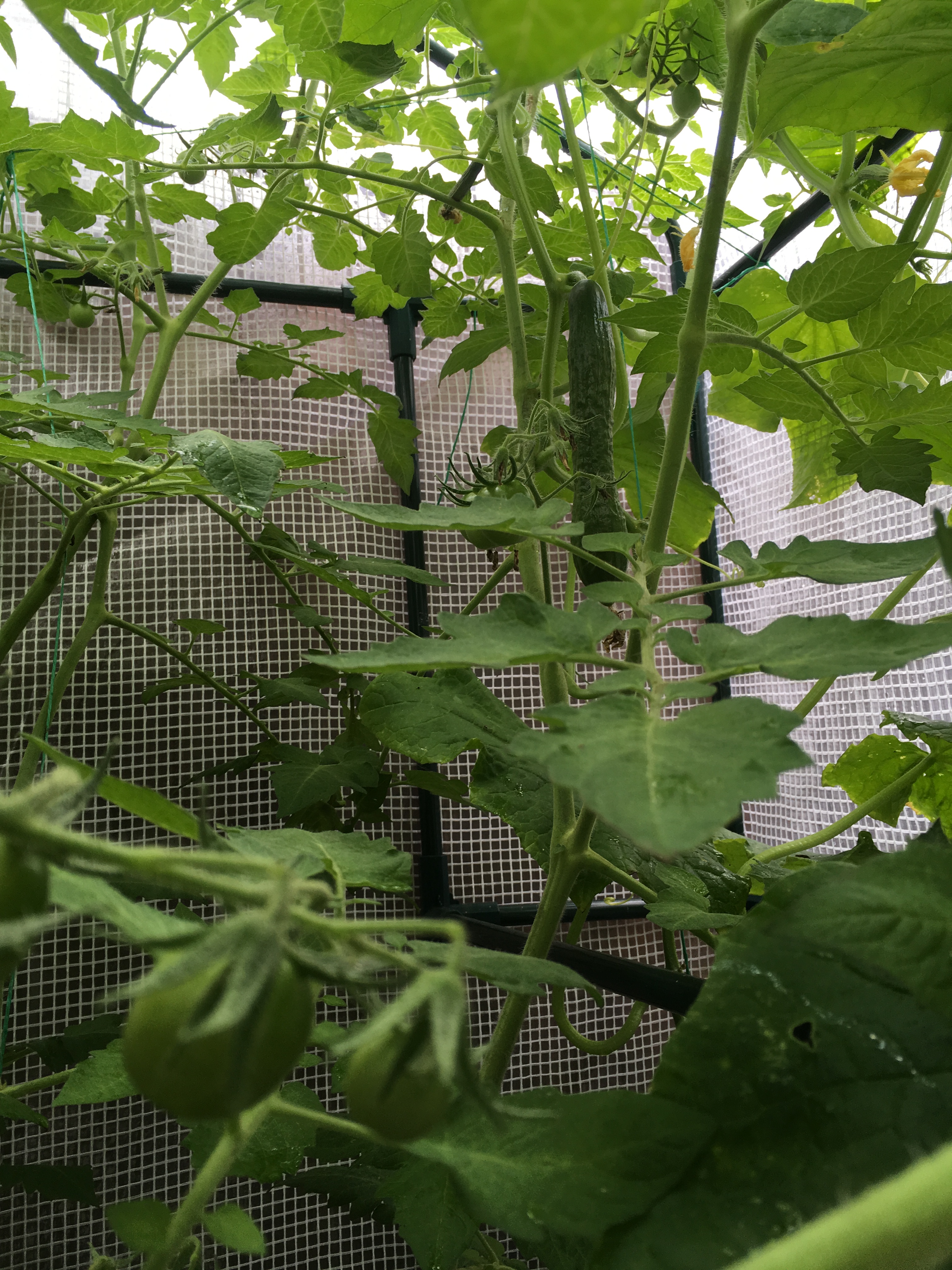
First cucumber of the 2017 season (variety Telepathy).
Some varieties can produce high yields with very little input (courgettes being the classic example). If properly positioned, fed and watered you can also expect a great return from tomatoes, chillies, cucumbers and peppers. Perhaps the easiest things to grow in our climate are potatoes. You can plant them in the ground (be careful as they can easily spread) or just about any deep container, build up the soil around the growing stems and leave them be. They will thrive in our climate and can be planted from late winter and harvested right through to mid autumn. Find out more about growing potatoes here.
Anyone Can Do It
It is a common misconception that you need a huge garden and a greenhouse to grow your own fruit and veg. It’s true that these things certainly won’t hurt but they are by no means essential. Whether you have a 50-acre estate or a sunny windowsill at your disposal there is nothing stopping you from getting stuck in.
If you are low on space, growing things in containers is a great place to start with many fruits and vegetables growing perfectly well in pots or grow-bags (more info here). You can also buy small portable greenhouses for things like tomatoes and cucumbers that benefit from warmer temperatures than we can typically expect in the UK.
Even with no outside space at all you can grow the likes of salad greens, herbs and chillies on a windowsill. There are a huge number of products available for you to create a kitchen garden actually inside your kitchen, some of which remove the need for sunshine (find out more here).
Now is the Time to Get Started
March is typically considered the start of the growing season and is a perfect time to get cracking. It is still a bit cold to plant some things outside but you can start sowing indoors. Once seeds germinate you can think about transferring seedlings outside when temperatures increase in late April or May. You will find specific instructions on when and where to sow on the back of seed packets.
What are you waiting for?
Get In Touch
If you grow your own, we would love to hear from you. Email or tweet us and let us know what you love about it, if you have any tips and tricks, or if you just want to share some photos of your produce.
Comments Off on Finding the Right Cookware for You
Buying new cookware can be difficult. Aside from being a financial investment, there is such a vast array of products out there that it is sometimes a challenge to choose correctly.
You may be lucky enough to know exactly what you want and exactly where to get it. Or perhaps you’ve had the same set of pans for the last 30 years and just plan on buying the same ones again.
If, however, you simply don’t know where to start, try asking yourself…
What do you cook on?
First things first, the type of hob you have (or plan to get) is very important. It will be either gas, radiant ring, ceramic or induction.
A lot of cookware can be used on all types of hob (*cough* our Stainless Steel Tri-Ply for example *cough*), but there are some types that cannot be used on induction hobs. This is due to the item having a non-ferrous base. In other words, the base is not made of a magnetic metal such a cast iron or certain stainless steels.
Pots and pans with a base made from a metal such as copper or aluminium are not compatible with induction hobs. Make sure to check your pans are induction compatible before trying to use them on an induction hob.
What is your style?
Your personal style and the aesthetic of your kitchen are factors that you should probably think about. As with kitchens, cookware is available in a wide spectrum of styles, from traditional to ultra modern. If you are planning on spending a lot of money it is important to go with something that you not only love but won’t get tired of. If you are easily bored, opting for high spec, expensive cookware is inadvisable.
When designing our cookware we set out to give them a timelessness, to make them look and feel at home in any setting. We did this by incorporating traditional elements such as riveted handles and hanging loops in to a fresh and contemporary shape.
Another consideration is the number of people you are regularly cooking for. Small saucepans (16cm or less) would likely be seldom used in a large family, thus it may be preferable to have 2 large pans (18 or 20cm) that will be used all the time than 3 or 4 of varying sizes, some of which may never leave the cupboard.
Conversely, if you are generally only cooking for two, smaller saucepans will be used much more frequently. That said, it would no doubt be favourable to still have a large saucepan on hand should you have guests.
With this in mind it may be better to purchase pans as individuals rather than in sets. Nobody can predict you cooking habits better than you. Explore our saucepans here.
What do you like to eat?
Most pots and pans are very versatile and can be used for all sorts, making them an essential part of any kitchen. There are certain items though that have quite niche roles in the kitchen, some of which may be of no use to you.
For example, non-stick frying pans. There is no denying that they are great for fried eggs and pancakes. However, we would recommend one with a stainless steel interior for just about everything else. If you never cook fried eggs or pancakes, perhaps a non-stick frying pan is not for you.
Likewise, the functionality of a milk pan is quite limited because of its small capacity. As their name suggests, they are perfect for warming milk and making porridge too. They can also come in very handy when cooking for small children or making sauces. Beyond this, their size can hinder versatility as a saucepan and potentially demote them to a non-essential item.
If you already have some individual pieces, don’t replace them for the sake of it. If they’re good quality and still in working order, keep them. Many items, including the entire ProWare range, are available as individuals so you can tailor sets around what you already have.
Decision Time
We hope these tips have given you some useful pointers on making the right choice for you. If you have any questions or would like to share a tip of your own we would love to hear from you! Get in touch via social media or email us at info@proware-kitchen.co.uk.
Comments Off on Cooking with Copper: A Brief History
It is no secret that copper is currently experiencing a huge upsurge in popularity. This is mainly thanks to its beautiful colour featuring heavily in the ranges of countless homeware retailers. There is, however, far more to this lustrous metal than just its appearance.
For example, it has a greater level of thermal conductivity than any other metal (except silver); roughly 60% higher than aluminium and 3000% higher than stainless steel. This means copper is capable of heating up very quickly when compared to other metals.
Perhaps a less commonly known property of copper is it being inherently antimicrobial. A wide range of harmful microbes are unable to survive for more than a couple of hours when in contact with a surface made of copper or one of its alloys (brass and bronze). This has led to it often being used for frequently touched surfaces such as door knobs, push plates and taps.
A seemingly perfect material for cooking, it is therefore no surprise that it has been used in kitchens for millennia. But exactly when did we learn to utilise copper and its valuable assets?
Origins
It is hard to pin down an exact date when copper cookware was first introduced. Pieces discovered in regions of the middle east were dated as far back as 9000BC, suggesting cooking with copper began during the Neolithic period (≈10000-2000BC). As civilisations became increasingly capable in metallurgical techniques, metals such as copper became more widely used. It would have been around this time that copper replaced stone as the material used for making tools and cooking vessels.
The use of copper is also well documented in Ancient Egypt. Not only was it used to produce water and oil containers, but it was also used to in medical practices. The antimicrobial nature of copper was exploited long before the concept of microorganisms was fully understood. The Smith Papyrus, a medical text written between 2600 and 2200BC records the use of copper in sterilising wounds and drinking water.
Tin Lining
Although copper is essential to many processes within the human body, it can become toxic if consumed in excess. It was this knowledge that gave rise to lining cookware with tin, a technique used for hundreds of years to prevent copper leaching in to food.
These tin linings would eventually wear out and during the 18th and 19th century, it was common for people to send pans away to be re-tinned. This practice is becoming increasingly rare, as are the craftsmen who perform it. Despite this, there are still manufactures producing tin-lined copper cookware who also offer a re-lining service. Perhaps the best known of these is Mauviel, a French manufacturer who have been making this type of cookware since 1830.
Tin has now largely been replaced by stainless steel as an interior cooking surface. Not only is it more cost effective, but the high grade of stainless steel used in premium cookware (typically 18/10) is highly resistant to corrosion and more durable than tin.
Copper Base
Another way in which the virtues of copper have been combined with those of stainless steel is in copper base cookware. A base plate made from a layer copper and aluminium is fused to a stainless steel body. This is done using a process called impact bonding using 600 tonnes of pressure.
The high conductivity of copper means the base of the pan will heat much more evenly, reducing the formation of hot spots. Modern 3 ply copper cookware effectively extends this base construction up the sides of the pan also.
As manufacturing processes advanced it became possible to combine different materials to produce cookware made up of three distinct layers, each possessing their own unique properties. These are as follows;
1st Layer – Copper
Very high thermal conductivity allows the entire outer surface to heat rapidly and evenly.
2nd Layer – Aluminium
Provides a lightweight core with excellent thermal retention.
3rd Layer – Stainless Steel
An inert and highly durable cooking surface.
It is this type of construction that is used by ProWare to produce our Copper Tri-Ply cookware. You can find out more about how these pans are made here.
Comments Off on The Kitchen Kit We Can’t Live Without
There are items you buy for your kitchen that you think will be life changing. You get it home, purposefully cook something that requires its use and marvel at the speed and ease with which you have managed to hull a strawberry or slice an avocado. After a few weeks you realise that the task you bought this gadget for can be done with a knife. Just as quickly (if not quicker because you already have a knife out of the drawer) and just as easily (when you think about having to dismantle and wash your new toy). So it remains untouched, existing only to make your utensil draw harder to open and to act as a constant reminder of your misguided vision and wasted money.
However, there are those things that become your close culinary companion that you use almost every time you cook. You may stumble upon something in a shop completely by accident, its £2 so you throw it in your basket without giving it a moments thought and it turns out to be the the single most indispensable item in your kitchen. It could be something you treated yourself to 10 years ago because you always wanted one. It was expensive but hey, you get what you pay for; and you still have it now, sitting on a shelf looking as good as the day you bought it.
We think it important to celebrate those things that can be kept and used and loved for years on end so we asked members of the ProWare team to tell us about the kitchen kit they have come to treasure.
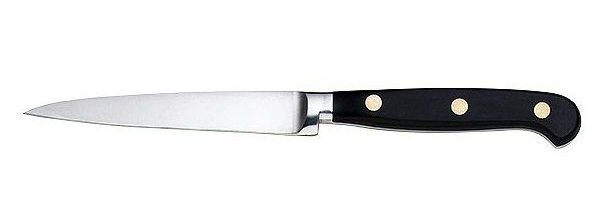
“£14 is a steal for this knife. It’s the perfect size and shape for all sorts – fruit, vegetables, meat, cheese; just everything. The blade stays sharp after prologued use and it can go straight in the dishwasher afterwards. It has a lovely sturdy and well-balanced feel in your hand. For all round performance and value, its the best knife I’ve ever bought!”
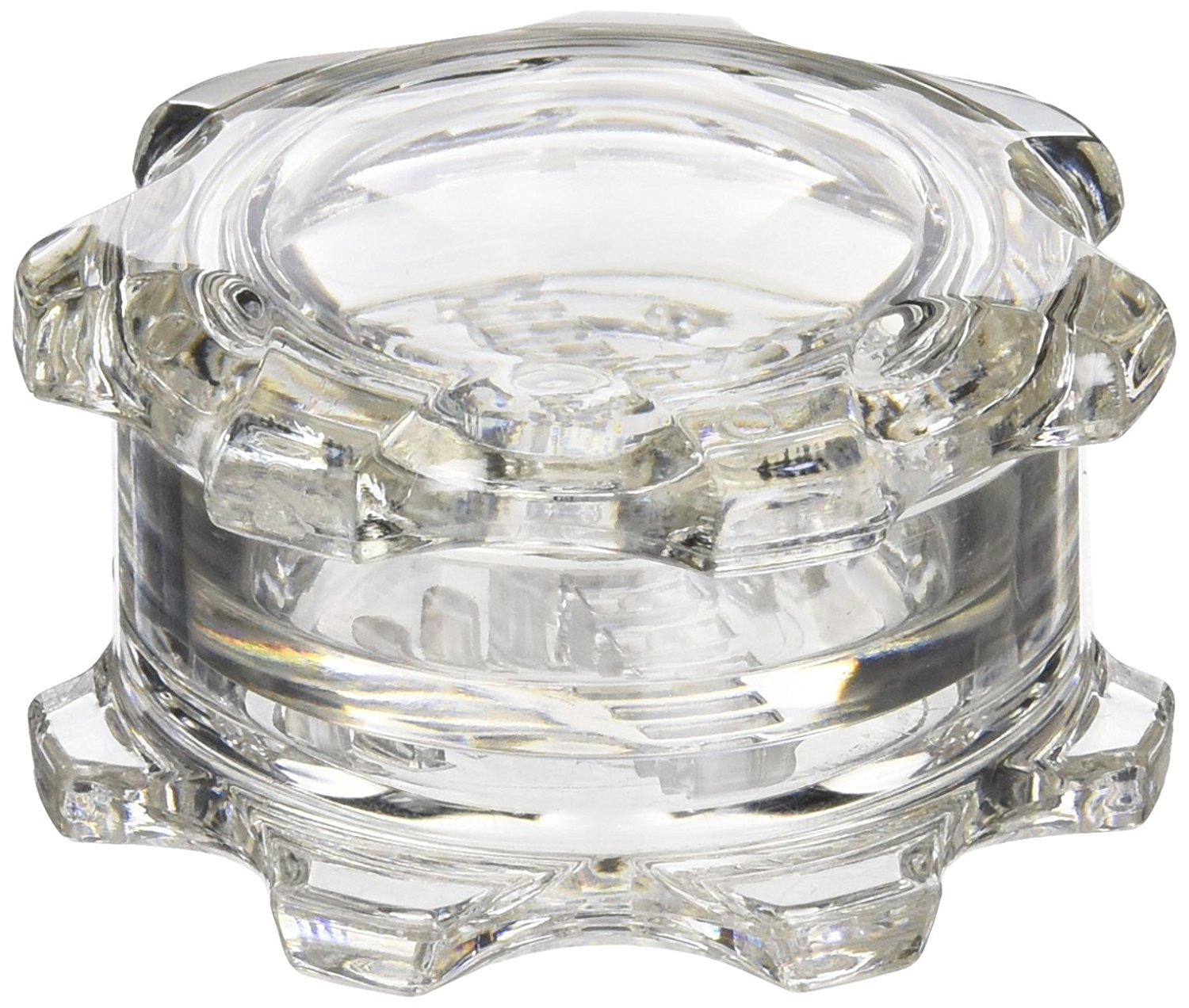
“We use a lot of garlic at home and this has saved us so much time. It’s a quick and easy way of producing finely chopped and minced garlic. No more fiddly chopping or scraping bits off a chopping board. Once twisted, the contents can be used when required and simply emptied in. It also works great with ginger, chillies and herbs.”
“Put simply, its just a great turner. It has a large surface area which makes it good for flipping omelettes which I have quite frequently, or fried eggs. It hasn’t overheated and deformed like a previous one I had. I have a lot of roast veg and chicken combos so it’s good for serving them up as well and because of the nylon head it doesn’t scratch baking trays and non-stick cookware. For M&S it’s very reasonably priced for the quality you get and no more expensive than a lot of their competitor’s offerings.”
“Very easy to clean, non-absorbent and kind to knife blades. £20 may seem expensive for a plastic board but these are solid and will last years. They’re also available in various colours to avoid cross contamination of raw and cooked ingredients.”
“You just can’t have too many of these – they’re so versatile! Oven, microwave, freezer and dishwasher safe and really excellent value for money. Available in sizes 0.5L to 3L and they are all handy but I find the 2L to be the best all-rounder.”
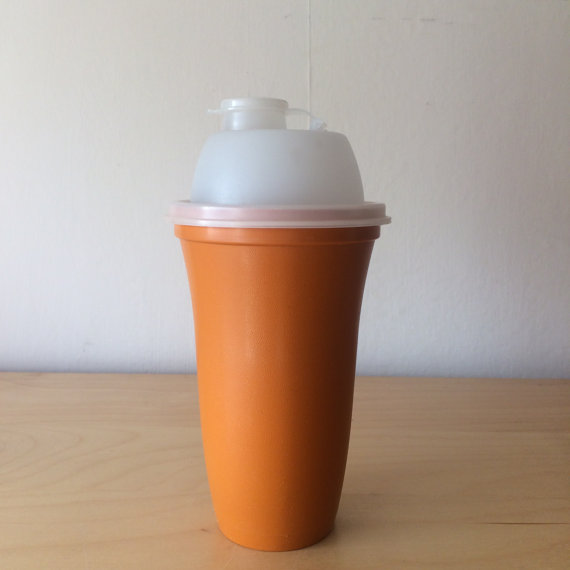
Jayne – Tupperware Batter Shaker (get one similar here)
Tupperware Batter Shaker (via pinterest.co.uk)
Why I love it –
“I have an original Tupperware batter shaker that my mum bought me when I first left home (that’s a long time ago now) and I still use it all the time for batter mixes and scrambled eggs. I used to use it for Angel Delight treat time when my lads were young and it’s now become my grandson’s favourite ‘ok to play with’ item from my cupboards. Apart from the fond memories, it’s a great little gadget that I can’t image being without!”
“I bought these on a whim about a year ago because my old whisk was starting to rust – at a quid for two I really didn’t expect much. The quality of both whisks is excellent and they represent outstanding value for money but it’s the coil whisk (the one on right) that was a real game changer for me. I use it all the time! It has a flat bottom so it’s perfect for use in small saucepans and jugs, it’s light, easy to clean and despite being essentially a length of wire, the handle feels very ergonomic.”
Get in touch!
We would love to hear about what you have in your kitchen and why you love it. Please leave a comment below, email or tweet us.