Tag Archive: cookware

  1. Grilled Octopus, rosemary new potatoes & chickpea feta salad recipe by Josh Angus

    Leave a Comment

    One of our favourite pieces, our Stainless Steel Tri-Ply 35cm Roasting Pan was put to the test by Hide‘s Head Chef Josh Angus recently and look what a culinary masterpiece he concocted! If you thought cooking octopus at home might be inaccessible, then think again with Josh’s recipe…

    Equipment

    Stainless Steel Tri-Ply 35cm Roasting Pan

    Copper Tri-Ply 10cm Mini Casserole Pans

    Ingredients

    Serves 4

    • 1 x Spanish frozen octopus 3-4kg (defrosted)
    • 1 carrot (roughly chopped)
    • 1 leek (roughly chopped)
    • 1 bulb garlic (roughly chopped)
    • 1 tin chickpeas
    • 200g feta
    • 150g cherry tomatoes quartered
    • 150g edamme beans or broad beans popped & blanched if needed
    • 1 cucumber sliced at angle
    • Green or black olives (optional)
    • 4 tbsp Red wine vinegar
    • ½ Lemon juice
    • 5 tbsp good olive oil
    • Salt to taste
    • 500g new potatoes
    • 5 cloves garlic finely chopped
    • 15g Rosemary chopped
    • Salt to taste

    Method

    1. Turn the oven on 170c full fan, once the octopus is fully defrosted. Give the octopus a rinse under the sink. Then cut the octopus in half having 4 tentacles either side, place in the cast iron dish with the roughly chopped vegetables & a splash of white wine. (optional)
    2. Cover with greaseproof & foil, then put in the oven & cook for 2 to 3 hours until the octopus is completely cooked through & not chewy! A knife should easily go through the octopus.
    3. The meantime chop the new potatoes in half or quarters if large, mix in a bowl with olive oil, salt, chopped rosemary & chopped garlic.
    4. Roast potatoes in the oven for 35mins same temperature as octopus until really crispy & cooked through. Mix time to time in the oven so they become really crispy.
    5. For the salad wash the chickpeas under cold running water & mix with chopped feta, tomatoes, broad beans & cucumber. Dress the salad with olive oil, vinegar, lemon juice & salt to taste.
    6. Once the octopus is cooked & rested for 20 minutes, take each tentacle & detach them from the head individually, then grill them in hot pan with splash of olive oil to get crispy on the outside, 2 minutes on each side will be enough.
    7. Serve immediately with the hot crispy potatoes & cold Greek salad. Also could serve with aioli or romesco sauce as a dip.

    We can’t get enough of this recipe, perfect for a summer dinner party with friends who love seafood. Thanks Josh!

  2. Fried Chicken and Kimchi Bao by Brad Carter

    Leave a Comment

    Head Chef Brad Carter of Carters of Moseley has used our brand new Stainless Steel Multi Steamer to whip up these Korean inspired Fried Chicken and Kimchi Baos with a kick!

    Brad used our Copper Tri-Ply range and you can see what we love so much about it here.

    Here’s how you can make them yourself…

    Equipment needed for the Fried Chicken and Kimchi Bao

    Copper Tri-Ply 20cm Saucepan

    Copper Tri-Ply Non-Stick 24cm Frying Pan

    Stainless Steel Multi Steamer

    Ingredients

    (For the Kimchi)

    • 2kg chinese leaf
    • 200g sea salt
    • water to cover
    • 150g gochugaru korean chilli powder
    • 300g leek, finely chopped
    • 3 tbsp minced garlic
    • 2 tbsp finely grated ginger
    • 200g mooli, shredded
    • 1 tbsp fish sauce
    • 1-2 tbsp salt
    • 1 tbsp granulated sugar

    Ingredients

    (For the Bao Dough)

    • 1kg Bao flour
    • 550g water
    • 10g dry yeast
    • 50g sugar
    • 10g salt
    • oil for brushing
    • 18-20 dim sum papers or cut out circles of baking parchment

    Ingredients

    (For the Chicken)

    • 500g Cotswold white chicken thighs, boneless, skinless, cut into bao sized pieces
    • 200g plain flour
    • 75g cornflour
    • 25g rice flour
    • 15g korean red chilli flakes
    • salt to season
    • rapeseed oil for frying

    Ingredients

    (For the Mayonnaise)

    • 200ml kewpie mayonnaise
    • 1 tbsp gochujang paste

    To garnish

    • 2 tsp toasted sesame seeds
    • 4 spring onions, sliced ultra thin

    Method (Kimchi)

    1. Firstly start with the kimchi.
    2. Cut the chinese leaf into quarters keeping the root attached, then rub in the salt.
    3. Put the leaves into a container & pour over cold water just to cover, leave the cabbage at room temperature for 2-3 hours.
    4. Drain the water away from the cabbage & ring the leaves out to remove as much of the water as possible.
    5. Taste the leaves to see how salty they are, this will deter how much salt you add to the rest of the recipe.
    6. Mix the remaining kimchi ingredients together in a bowl & add either 1 tablespoons of salt or the full 2 tablespoons depending on how salty the leaves were tasting, then mix everything into a paste, add to the chinese leaves, rubbing the paste all over the leaves & into the layers.
    7. Add the leaves to a large kilner jar or vaccum pack bag (if you have the luxury!) and lay the quarters into the jar or bag, upright & add the excess paste, seal the jar or bag & leave to ferment at 28c-30c for around 10 days.

    Method (Bao)

    1. Fast forward 10 days & now it’s time to make the bao.
    2. Mix all of the dry ingredients for the Bao dough together & add the water.
    3. Knead for around 3 minutes, add it to a lightly oiled bowl, cover and let it prove for 2 hours at room temperature.
    4. After 2 hours, roll out the dough into a long sausage shape, about 3cm thick, then cut into pieces that are about 3cm wide, you will probably have more buns than you need but don’t worry- you can freeze them if you do!
    5. In the palm of your hand, roll each piece of dough into a ball and leave to rest for 2-3 mins.
    6. Use a dumpling rolling pin to roll out each ball, one by one, into an oval shape about 3-4mm thick. Rub the surface of the dough ovals with oil and brush a little oil over a chopstick.
    7. Place the oiled chopstick in the centre of each oval. Fold the dough over the chopstick, then slowly pull out the chopstick.
    8. Lay out the dim sum papers or baking parchment and put a bun on each. Transfer to a baking tray, cover with a clean tea towel or lightly oiled cling film and leave to prove in a warm place for 1 hr, or until doubled in size.
    9. Heat a large ProWare Stainless Steel Multi Steamer over a medium-high heat. Steam the buns, in batches, for 8 mins until puffed up.
    10. Set the buns aside to reheat later & the excess buns can be cooled & frozen.

    Method (Chicken)

    1. For the chicken, heat 2cm of oil in a deep sided frying pan to around 180c.
    2. Season the chicken all over with the salt.
    3. Mix together the flours & chilli flakes with a whisk then dredge the chicken pieces into the flour mix, fry the chicken in batches turning occasionally for around 5-6 minutes, remove the chicken with tongs & drain on kitchen paper.
    4. Whisk together the kewpie mayonnaise & the gochujang in a mixing bowl & transfer to a squeezy bottle.
    5. To assemble the bao buns, steam the buns for 1-2 minutes in the bamboo basket & remove.
    6. Add the chicken to the bun & dress with an equal amount of kimchi alongside it, squeeze a healthy amount of mayonnaise over the chicken & sprinkle with the sesame seeds & the spring onions then shove it it in your big, drooling mouth.

    Why not try it at home? Thanks so much for Brad for this amazing recipe. What are you waiting for? Head over to our online shop to purchase your Steamer now!

  3. Coffee & Pistachio Soufflé by Josh Angus

    Leave a Comment

    About Josh Angus…

    Head Chef at Michelin Starred restaurant Hide Ground in the heart of London, Josh Angus has worked everywhere from Raymond Blanc’s renowned Le Manoir to Hong Kong with Shane Osborn. He was even the private chef for the American Ambassador! We’re so grateful to Josh for showing us how to make our very own Pixar-style Ratatouille!

    Equipment

    Copper Tri-Ply 10cm Mini Casserole

    Ingredients (coffee infusion)

    Nescafe granules 30g

    Whole milk: 625g

    Caster sugar: 45g

    Method (coffee infusion)

    1. Bring the milk and sugar to boil.
    2. Add the coffee, infuse for 30mins.
    3. Blitz in the blender and pass through the chinois.

    Ingredients (Coffee soufflé crème patissiere)

    500g Infused coffee milk

    4g Agar-agar

    12g Caster sugar (1)

    70g Plain flour

    50g Caster sugar (2)

    50g Soft butter

    70g Egg yolks

    Method (Coffee soufflé crème patissiere)

    1. Mix the agar and the cater sugar (1) together.
    2. Make a crumble with plain flour, soft butter and sugar (2)
    3. Bring the infused coffee milk to boil, add the agar/caster sugar.
    4. Bring back to boil and add the crumble. Stir well to make sure there is no lumps.
    5. Boil for 2 minutes then turn the stove off and add the egg yolks.
    6. Cool down quickly & put in the fridge to chill. Pass once cooled.
    7. This mix will make more than you need but will freeze well.

    Ingredients (Meringue for soufflé)

    Meringue: (for 1 portion makes 2 1/2 little copper pan soufflés)

    150g Egg white

    60g Caster sugar

    3g Albumina

    Method

    Mix Albumina and caster sugar together.

    If you can find albumina its fine to leave out.

    For the pistachio crumb…

    Blitz 50g of pistachios in a blender to a coarse crumb.

    Method (Soufflé process)

    1. Preheat oven at 190c
    2. Line the small copper pans with butter all around & add blitzed pistachios covering the bottom & side of the pan,
    3. Have 200g of coffee crème pat mix to the side warm.
    4. Start to whip the meringue to soft peaks, adding the sugar mix gradually.
    5. Add ¼ off the meringue and beat it with the warm coffee crème pat, then slowly add the rest of the meringue with the spatula. Until completely mixed through, it is key that this part is done very gently to come the soufflé light.
    6. Poor in a piping bag & fill up the copper pans ¾ full. Go around the pan with your thumb cleaning the sides. This will help the soufflé rise straight.
    7. Cook in the oven top shelf for 8 to 10 minutes, soufflé should have risen dramatically.
    8. Serve straight away with vanilla or pistachio ice cream.

    For more delicious food, find Josh at Hide! Find out more about Hide Ground here.

  4. Cookware – The Perfect Wedding Gift

    Comments Off on Cookware – The Perfect Wedding Gift

    Finding the right gift to help make the happy couple’s day that extra bit special can be something of a minefield. This is particularly true for those who haven’t registered a gift list where you can simply pick something off that suits your budget. With web based services such as Prezola, it is now possible to make contributions to high value items, honeymoons or just send gifts of cash.

    If you haven’t been blessed with an approved list that guarantees sheer delight regardless of what choice you make, things can be trickier. You want to get them something they’ll love, something they can keep for a long time and perhaps something that they will actually use. That said, you have four other weddings this year alone so you can’t spend a fortune. Where to start?

    This is where cookware (and ProWare) comes in. Firstly, it doesn’t matter if you are a Michelin starred chef or ready meal aficionado, everyone likes a nice pan. Whether it is being used on a daily basis to create a plethora of culinary masterpieces or it is nothing more than an ornament hanging from a hook, beautiful cookware really does complete a kitchen.

    Fortunately for those with friends and family with very specific taste, there is such a vast array of cookware on the market that you will definitely be able to find something they like. As tempting as it may be to go for style over substance, resist; especially when buying for keen cooks (they will thank you for it). If you buy well, good cookware can last a lifetime. So not only will your gift see them though decades of family meals but it will also serve as a reminder of their special day for years to come. For more information on choosing the right cookware click here.

    How Can ProWare Help?

    With wedding season upon us, now is the time to start thinking about what you are going to get for the brides and grooms in your life. If you have decided to get something special for their kitchen, ProWare have you covered. With three ranges to choose from you will find something to suit all tastes. Even for those who aren’t big cooks we have a great selection of mini items that make beautiful tableware.

  5. 7 Things We Love About Our Copper Base Range

    Comments Off on 7 Things We Love About Our Copper Base Range

    If you love cooking, there’s nothing like the lure of a new set of pans to make you want to hotfoot it to the kitchen!

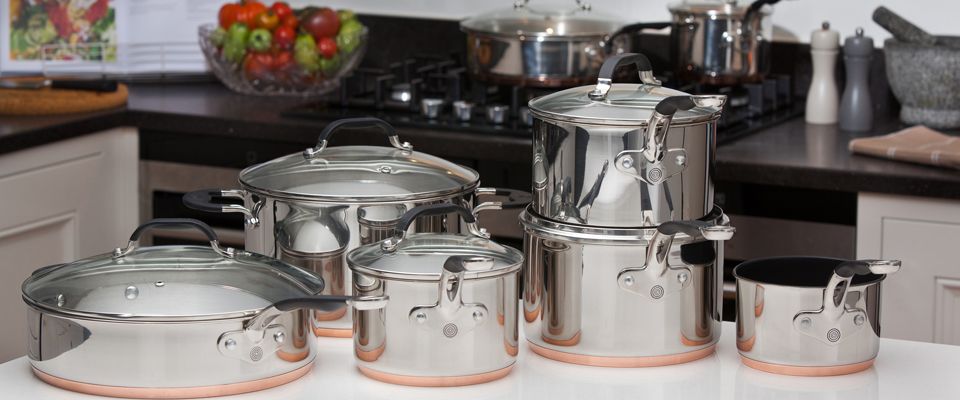
    The copper base pans are one of our most popular ranges and we’d like to share the things we love about the collection with you. Read on to find out why cooking with copper-based pans makes perfect sense…

    Proware 7 things we love about our copper base

    1. Lighter Construction, Efficient, Durable and Great Value for Money

    The copper base range is made from a single sheet of stainless steel which has been deep drawn before sheets of aluminium and copper have been impact bonded onto the base. This construction makes them noticeably lighter than our other ranges. The combination of copper and aluminium in the base of the pan means that heat spreads evenly and efficiently throughout the base for an even cook.

    The pans use less material than their triple layer counterparts and so they cost less but, just as with the other ranges, the pans have been carefully specified and engineered and they have been put through their paces in the test-labs and kitchens. As such we are proud to offer a lifetime guarantee on everything except the milkpan (which carries a guarantee against manufacturing fault but unfortunately not on the non-stick coating).

    2. Glass Lids

    There are so many reasons to use a lid – from heat efficiency which achieves a quicker boil to keeping the walls & hob top clean! This is our only range with vented, glass lids meaning that you can easily keep an eye what you’re cooking.

    3. Great Capacities

    Unlike competitor items our copper base pans are nice and deep so you really can cook for a crowd (or just a hungry family!). The milkpan holds over a litre; the 16cm saucepan holds just shy of 2 litres; the 20cm holds over 3.5 litres; and the stockpot holds a massive 6 litres!

    Proware Copper Base Stacking Pans

    4. Thoughtfully Designed

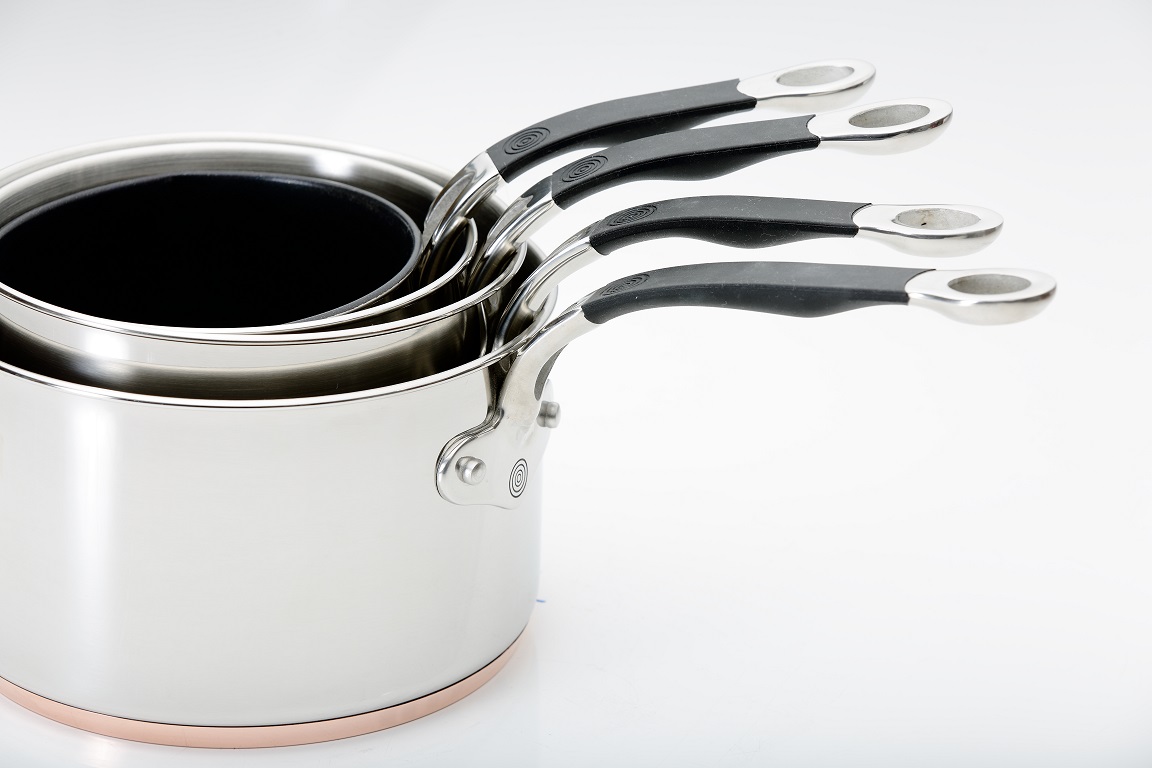
    The comfortable soft grip handles are extremely practical and easy to handle. The silicone wrap means that they will withstand exposure to high temperatures (e.g. in the oven).  A steep arch in the handle helps to keep it away from the heat source; and allows the pans to nest efficiently in cupboards or drawers. An eyelet where the handle meets the pan body disperses heat to ensure handles don’t get too hot and there’s a hanging loop if you want to make a feature of them. We also know that larger pans can be very heavy when full so we’ve added helper handles to the 18cm and 20cm saucepans, and the 24cm sauté pan.

    5. All-Rounder

    These pans work on every hob type except induction; they can go in the oven up to 200ºC; and the fact that they are dishwasher safe means that they are very easy to keep clean.

    ProWare's Hereford Cider Chicken

    6. What’s Cooking Good Looking?

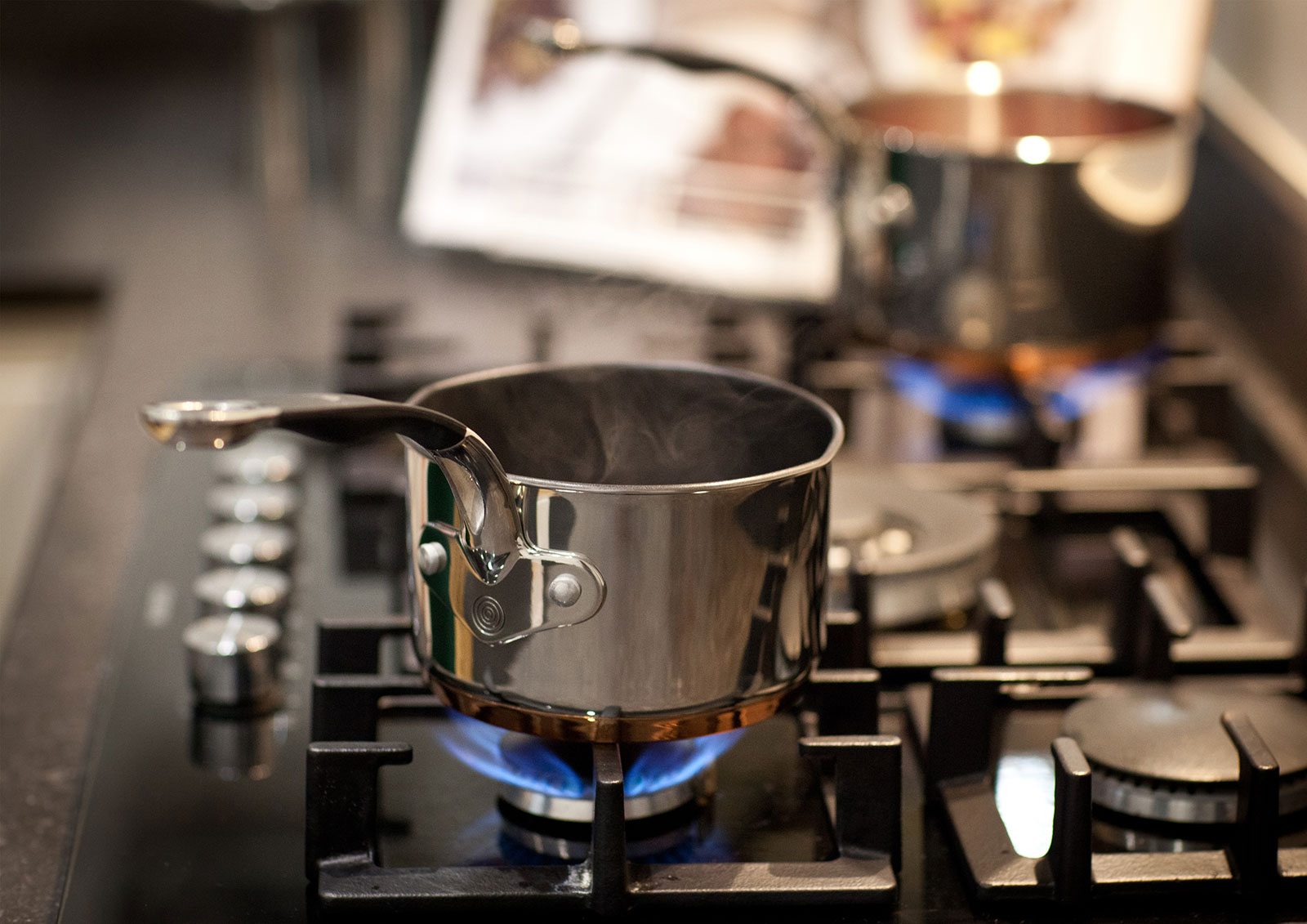
    Sure, your pan has to be practical. But what if it could look great, too? You’ll be pleased to know our copper base pans more than look the part. The contrast of their copper bases and the stainless steel makes for an eye-catching set of cookware. Well, who said pans had to be tucked away in the cupboard, anyway?

    Proware Copper Base pans on hob top

    7. 5 Star Reviews

    We sell through our own website and Amazon Prime. Our trust pilot rating is 4.9 out of 5 so don’t just take our word for it, check out the numerous customer reviews here.

    Want to know anything else about our copper base pans? Just get in touch and we’d be happy to assist.

  6. 7 Ways to Use Our Minis

    Comments Off on 7 Ways to Use Our Minis

    When we have done food events in the past, it has often been our mini pans that attract people to our stand. After the initial ‘ooohs’, ‘aahs’ and declarations of cuteness, people nearly always ask ‘but what would I use them for?’

    Well you’d be surprised just how useful they can be. Here’s a few things we like to do with them.

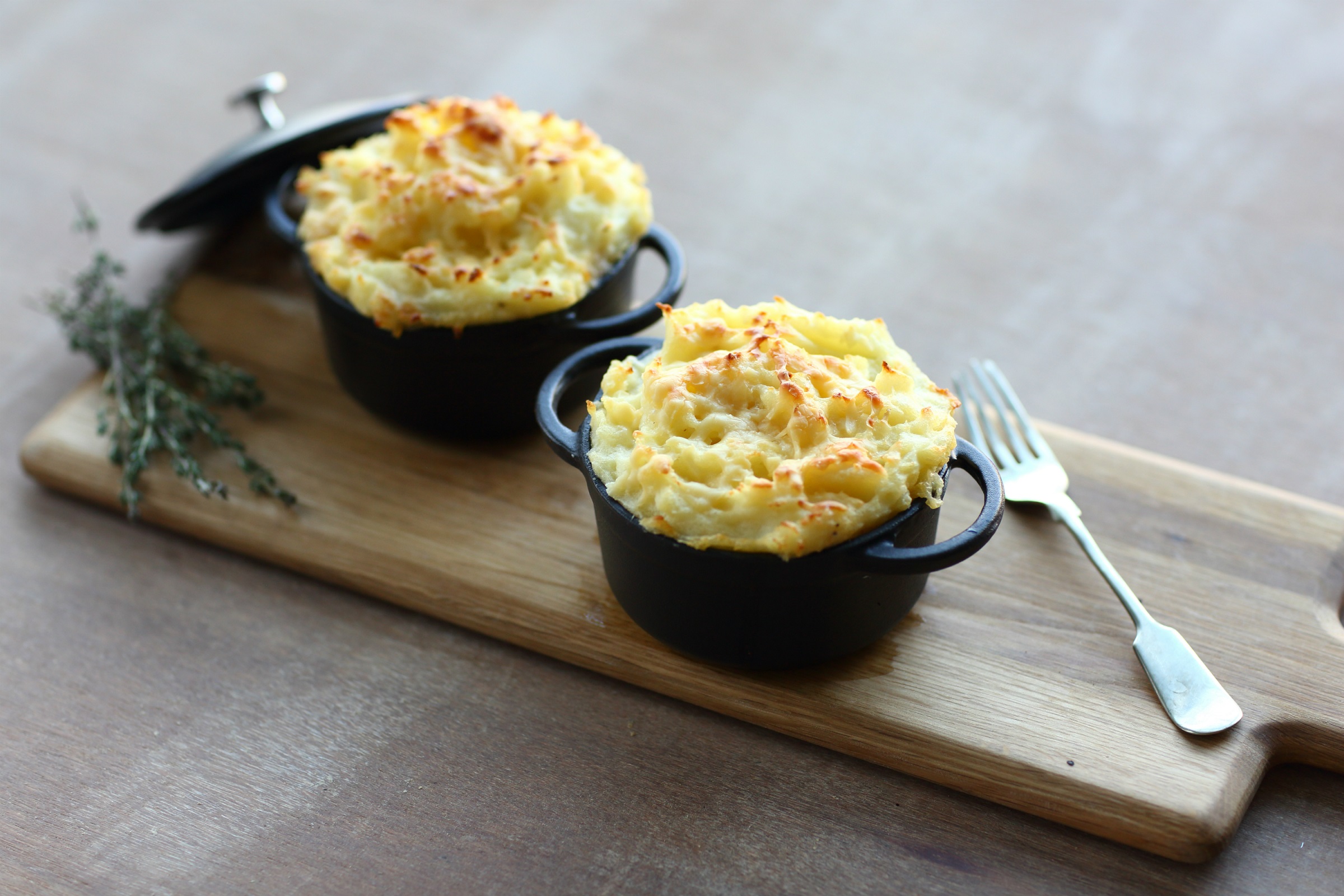
    1 Pot Pies

    ProWares Cast Iron Mini Casseroles 2

    Serving in a Cast Iron 10cm Mini Casserole is a great way to make individual pot pies that are not only sure to impress at a dinner party but provide a more generous portion than you might think.

    2 Toasting Nuts and Spices

    Proware Balsamic Pear Salad

    This helps release the aromatic compounds in nuts and spices, intensifying their flavour which can really improve things like curries and salads. We recommend using a Copper Tri-Ply 12cm Mini Frying Pan thanks to its compact size.

    3 Butter, Brandy and Basting

    In a professional kitchen the Copper Tri-Ply 9cm Mini Pan would likely be referred to as a butter pan and would be used extensively in the making of sauces and sweets. This functionality carries through to home kitchens too! Warming brandy for the Christmas pud, basting meats when barbecuing or infusing oils for bread, pasta and salads.

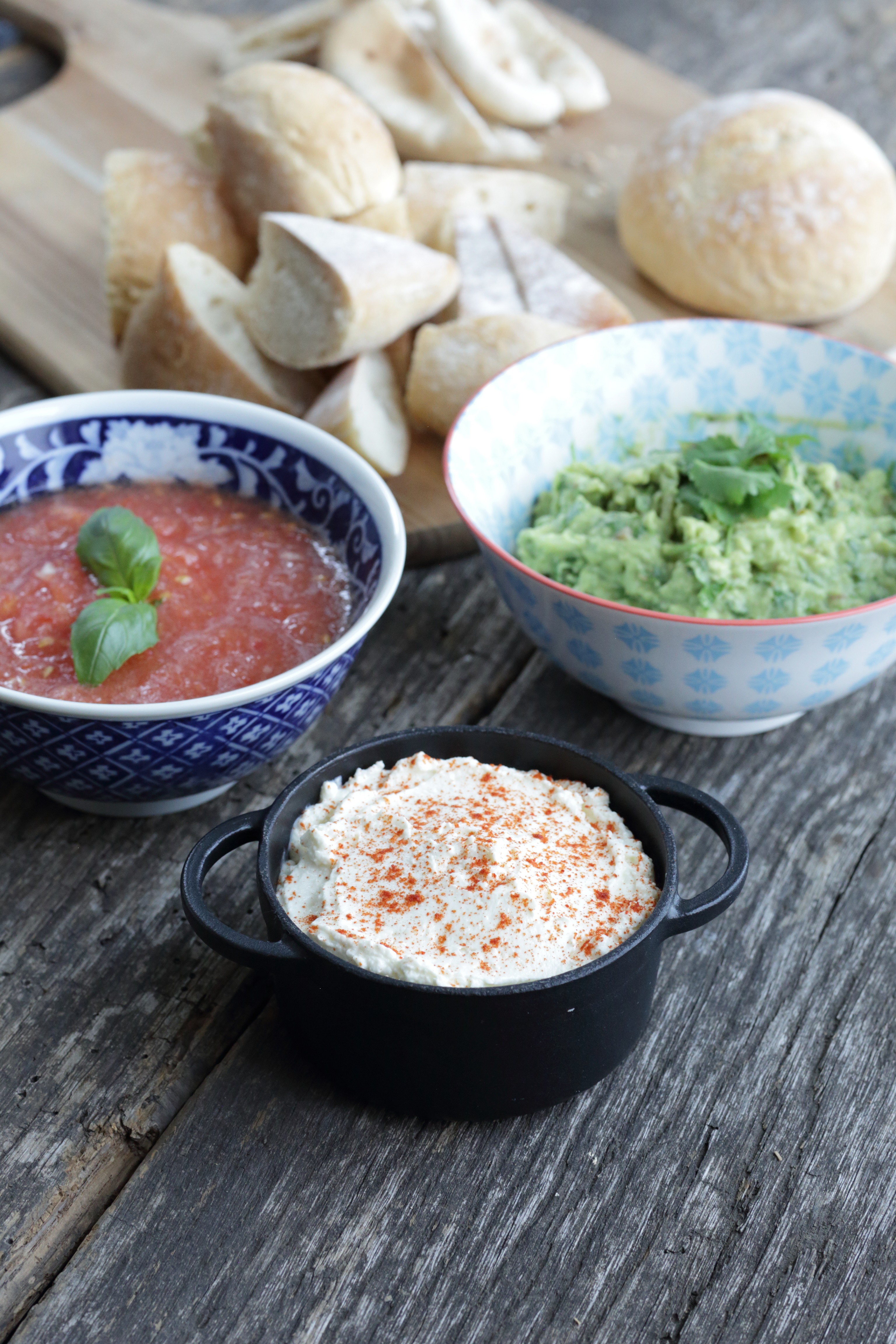
    4 Serving Dips and Sauces

    ProWare Dips

    Our Mini Casseroles are a great size for the table. The thermal retention of cast iron also means it can keep its contents warm (or cold, just pop in the freeze for 20 mins before serving) for a long time. Find some great dip recipes here.

    5 Frying an Egg

    Breakfast for one? A Copper Tri-Ply 12cm Mini Frying Pan is the perfect diameter for a single fried egg.

    6 Cooking for Kids

    If you’re warming baby food or cooking a small portion of veg, the Copper Tri-Ply 9cm Mini Pan comes in very handy.

    7 Serving Veg

    Whether you’re planning a romantic meal for two or a dinner party for ten, our copper and cast iron minis make for beautiful tableware to make your food feel that bit more special.


    Tip: Small pans can be unstable on some hobs. If this is the case with yours we would recommend a hob reducer to ensure your pan is properly supported.

  7. Why We Offer a Lifetime Guarantee

    Comments Off on Why We Offer a Lifetime Guarantee

    ‘They don’t make ‘em like they used to’

    This is a phrase that is thrown around all over the place these days. Whether its chocolate bars getting smaller or washing machines packing in after just a few years, it is becoming more evident that everyday items are gradually transforming into shadows of their former selves.

    The cost of raw materials is increasing. As is the pressure to be competitive in a market saturated with products and outlets. It is therefore understandable that companies are de-spec’ing their products in order to make their production viable and profitable. An unfortunate downside of this is that product quality and longevity suffer, making items less durable in a society that is becoming increasingly throwaway.

    Brands that continue to manufacture a product designed to last, who are unwilling to sacrifice quality to participate in a race to be cheapest and are now something of a rarity. We believe ProWare to be an example of such a brand.

    ProWare at The Milestone

    Our cookware is used daily in professional kitchens

    ‘What would we want in our own kitchen?’

    When developing our products, we wanted the result to be something we would be willing to buy ourselves, that would satisfy our appetites for quality and value.

    For this reason, we went above and beyond when specifying our cookware. The Tri-Ply ranges have a minimum wall thickness of 2.5mm (up to 3mm in the Copper Tri-Ply). This is more than six times that of some commercially available items. The handles on all our pan ranges are cast stainless steel, as are the rivets used to attach them. Securing the handle with stainless steel rivets requires 200 tonnes of pressure and ensures the handle will never loosen. Most manufacturers use aluminium rivets, which are fastened using only 45 tonnes of pressure due to aluminium being a softer metal than stainless steel. This is considered a more cost effective choice but aluminium can deform as a result of sustained stress or frequent jarring. This can cause handles to loosen with time.

    Perhaps the most vunerable part of any pot or pan is the interior. It is this surface that will be exposed to the most hostile conditions. The interior of a pan will regularly come in to contact with three potentially destructive elements; moisture, heat and acidity. These can combine to become detrimental to some metals over time so it is essential the correct ones are used. That is why we use 18/10 grade stainless steel for the interiors of all our pans. The name refers to the chromium and nickel contents of the steel. This is considered the highest grade of stainless steel in domestic use and is noted for its excellent resistance to corrosion.

    You can find out more about the construction of our pans here.

    Buy well, buy once

    We are confident in the knowledge that we have done everything possible to make our pans as good as they can be. It is this which allows us to offer a lifetime guarantee across all ranges with the exception of our non-stick items. The non-stick we use is Teflon Platinum Plus, a market leader renowned for its toughness and longevity. As good as it may be, it will not last forever.

    We hope you can share our faith in the cookware we produce and that you can make a purchase knowing it will stay with you through decades of use to be passed on to future generations.

  8. Foodie Dates for your Diary – April 2018

    Comments Off on Foodie Dates for your Diary – April 2018

    Spring is here and with it comes a lot of exciting foodie events for you to enjoy! Veganism and vegan food has become increasingly popular in recent years which is evident in April’s abundance of vegan festivals which include lots of food stalls and more, giving you the opportunity to try out some lovely food.

    Walton Hall Food Festival Paulas cooking in a camper

    Walton Gardens Food Festival

    14-15 April, Walton Hall, Warrington

    Entry: Free to enter (car park charges apply)

    The beautiful Walton Gardens will become a foodie paradise; hosting over 40 artisan producers serving lots of tasty hot food as well as great drinks to enjoy. The festival events will be held in the newly refurbished ‘Riding School’ as well as the main lawns and bandstand. Bring the family and enjoy all that this fabulous event has to offer.

    Porthleven Food and Music Festival

    20-22 April, Porthleven, Cornwall

    Entry: £7.50 – £35.00 (more details here)

    This festival, hosted in the stunning seaside town of Porthleven is perfect for the foodie who is also a music lover. This 3 day event, now in it’s tenth year is a well established event which brings around 30,000 people together each year who gather to enjoy demonstrations at the national and international chef’s theatre, enjoy tasty treats from the many food stalls, as well as music day and night and entertainment for all.

    Surrey Food Festival

    21st April, Old Deer Park, Richmond Upon Thames Surrey 10am-7pm

    Entry: £7.00 (more details here)

    The Surrey Food Festival returns for its 3rd year in 2018 with over 100 different food stalls showcasing their products, fantastic marketplace traders and a Kids Zone full of entertainment for the children to enjoy.  They’ll be a number of acts performing on the main stage throughout the day with plenty of bars offering various drinks ranging from champagne to speciality ale.  If you love food and drink this is definitely the place to be, a fantastic day out for all the family to enjoy! Tickets are currently on sale at £7 per person (under 16’s are free) with children’s wristbands available at £20 giving the little one’s unlimited access to the Kids Zone (wristbands available by pre-order only  http://www.surreyfoodfestival.com/tickets/ ).  Make Richmond Upon Thames your number one stop this April, you really don’t want to miss out on this fantastic event!

    Northern Vegan Festival

    7th April, Manchester

    Entry: £5.00 (under 16’s free)

    Due to the massive success of the 2017 event The Northern Vegan Festival 2018 will remain in huge venue Manchester central, Windmill Street, M2 3GX . The festival will have 200 stalls, 10 world food caterers, inspirational talks, innovative and exciting cookery demos, children’s activities, yoga, free samples and a huge seated cafe area. 100% of ticket money goes to animal welfare charities as the festival is fully volunteer run.

    Irish Vegan Festival 8th April

    Stalls, talks, demos and so much more

    Packed with hot and cold food, cosmetics, campaigns and more all at a lovely city centre location

    Glasgow Vegan Festival 14th April

    Glasgow Trade Halls – 50 fantastic stalls each day, 8 world food caterers, all day talks and all day cookery demos.

    Birmingham Vegan Festival 14th April

    100 stalls featuring mainly food. The profits of the event go to the charity organising the event which helps care for and rehome animals that have been rescued.

    Leicester Vegan Festival 21st April

    Leicester’s biggest vegan festival with over 80 stalls, all day talks and all day cookery demos!

    Scottish Vegan Festival 21st April

    The Scottish Vegan Festival is one of a series of vegan festival events. Our inaugural event was at the Corn Exchange, 10 New Market Rd, Edinburgh EH14 1RJ on Saturday 1st October 2016. They repeated it and grew the event in 2017 to be twice a year.

  9. Growing Your Own – Why Everyone Should Try It

    Comments Off on Growing Your Own – Why Everyone Should Try It

    Accessing fresh fruit and vegetables has never been easier; by popping out to your local supermarket, you can buy almost everything the year round. We are no longer required to move with the seasons and to select ingredients according to the time of year.

    A consequence of this highly consistent availability is a huge increase in food mileage – the distance your food travels from field to shelf. In a society becoming increasingly aware of its carbon footprint, it makes sense to try and reduce our reliance on imported produce and to utilise the space we have in our own gardens.

    Why do it?

    The aim is not to start a farm, live off the land and become fully self sufficient. Even if we can reduce the amount of produce being imported, just slightly, it would be start in decreasing the amount of fossil fuels used in the transport of food. This especially applies over the summer months when most of what we buy in the supermarkets can be grown here without specialist equipment. In addition to this, there are plenty of reasons to start home growing, aside from the environmental factors.

    There are few pleasures that can be likened to the sense of achievement one feels when you have grown a tangible, edible thing from a seed the size of a grain of sand. The hours spent planting, watering, pruning and weeding can also prove highly therapeutic. The time provides a chance to get out in the fresh air, away from computer screens and beeping gadgets, to de-stress and re-calibrate your mind. This is before you consider the money you can save and quality of the food you can produce as a result of your efforts.

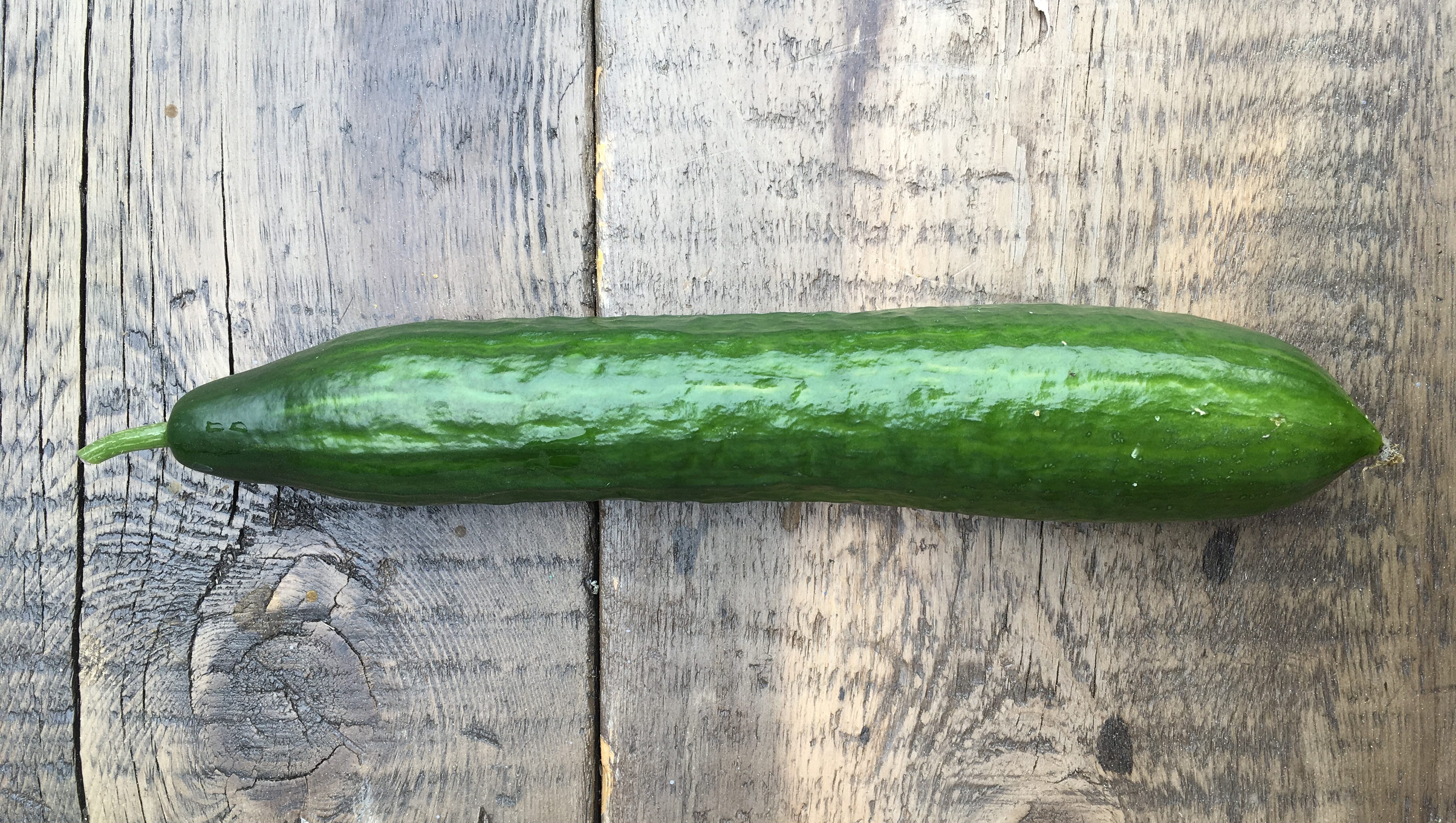
    Growing Your Own Cucumber

    First cucumber of the 2017 season (variety Telepathy).

    Some varieties can produce high yields with very little input (courgettes being the classic example). If properly positioned, fed and watered you can also expect a great return from tomatoes, chillies, cucumbers and peppers. Perhaps the easiest things to grow in our climate are potatoes. You can plant them in the ground (be careful as they can easily spread) or just about any deep container, build up the soil around the growing stems and leave them be. They will thrive in our climate and can be planted from late winter and harvested right through to mid autumn. Find out more about growing potatoes here.

    Anyone Can Do It

    It is a common misconception that you need a huge garden and a greenhouse to grow your own fruit and veg. It’s true that these things certainly won’t hurt but they are by no means essential. Whether you have a 50-acre estate or a sunny windowsill at your disposal there is nothing stopping you from getting stuck in.

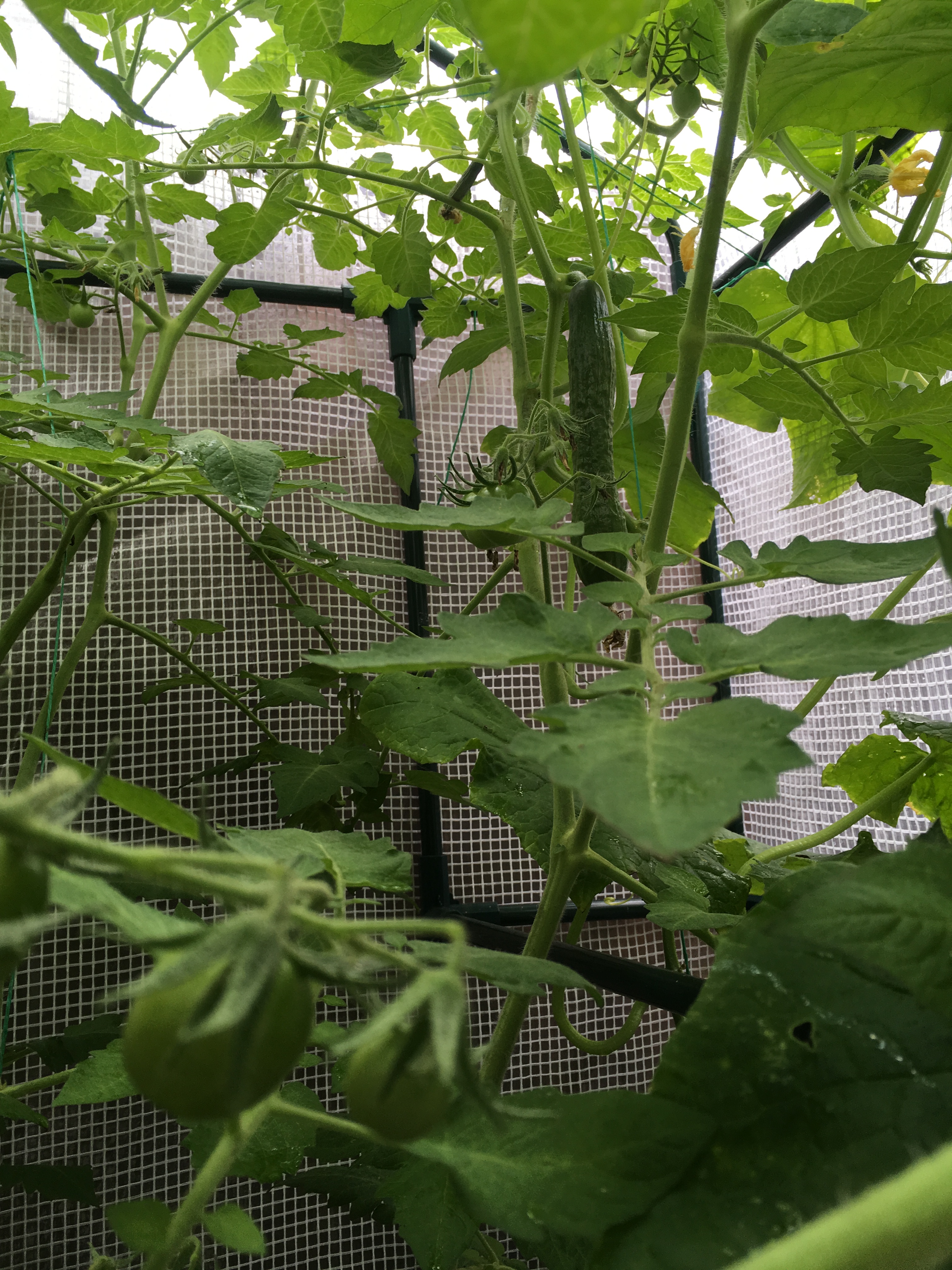
    If you are low on space, growing things in containers is a great place to start with many fruits and vegetables growing perfectly well in pots or grow-bags (more info here). You can also buy small portable greenhouses for things like tomatoes and cucumbers that benefit from warmer temperatures than we can typically expect in the UK.

    Even with no outside space at all you can grow the likes of salad greens, herbs and chillies on a windowsill. There are a huge number of products available for you to create a kitchen garden actually inside your kitchen, some of which remove the need for sunshine (find out more here).

    Growing Your Own2

    Now is the Time to Get Started

    March is typically considered the start of the growing season and is a perfect time to get cracking. It is still a bit cold to plant some things outside but you can start sowing indoors. Once seeds germinate you can think about transferring seedlings outside when temperatures increase in late April or May. You will find specific instructions on when and where to sow on the back of seed packets.

    What are you waiting for?

    Get In Touch

    If you grow your own, we would love to hear from you. Email or tweet us and let us know what you love about it, if you have any tips and tricks, or if you just want to share some photos of your produce.

  10. Finding the Right Cookware for You

    Comments Off on Finding the Right Cookware for You

    Buying new cookware can be difficult. Aside from being a financial investment, there is such a vast array of products out there that it is sometimes a challenge to choose correctly.

    You may be lucky enough to know exactly what you want and exactly where to get it. Or perhaps you’ve had the same set of pans for the last 30 years and just plan on buying the same ones again.

    If, however, you simply don’t know where to start, try asking yourself…

    What do you cook on?

    First things first, the type of hob you have (or plan to get) is very important. It will be either gas, radiant ring, ceramic or induction.

    A lot of cookware can be used on all types of hob (*cough* our Stainless Steel Tri-Ply for example *cough*), but there are some types that cannot be used on induction hobs. This is due to the item having a non-ferrous base. In other words, the base is not made of a magnetic metal such a cast iron or certain stainless steels.

    Pots and pans with a base made from a metal such as copper or aluminium are not compatible with induction hobs. Make sure to check your pans are induction compatible before trying to use them on an induction hob.

    What is your style?

    Your personal style and the aesthetic of your kitchen are factors that you should probably think about. As with kitchens, cookware is available in a wide spectrum of styles, from traditional to ultra modern. If you are planning on spending a lot of money it is important to go with something that you not only love but won’t get tired of. If you are easily bored, opting for high spec, expensive cookware is inadvisable.

    When designing our cookware we set out to give them a timelessness, to make them look and feel at home in any setting. We did this by incorporating traditional elements such as riveted handles and hanging loops in to a fresh and contemporary shape.

    Who do you cook for?

    Another consideration is the number of people you are regularly cooking for. Small saucepans (16cm or less) would likely be seldom used in a large family, thus it may be preferable to have 2 large pans (18 or 20cm) that will be used all the time than 3 or 4 of varying sizes, some of which may never leave the cupboard.

    Conversely, if you are generally only cooking for two, smaller saucepans will be used much more frequently. That said, it would no doubt be favourable to still have a large saucepan on hand should you have guests.

    With this in mind it may be better to purchase pans as individuals rather than in sets. Nobody can predict you cooking habits better than you. Explore our saucepans here.

    What do you like to eat?

    Most pots and pans are very versatile and can be used for all sorts, making them an essential part of any kitchen. There are certain items though that have quite niche roles in the kitchen, some of which may be of no use to you.

    For example, non-stick frying pans. There is no denying that they are great for fried eggs and pancakes. However, we would recommend one with a stainless steel interior for just about everything else. If you never cook fried eggs or pancakes, perhaps a non-stick frying pan is not for you.

    Likewise, the functionality of a milk pan is quite limited because of its small capacity. As their name suggests, they are perfect for warming milk and making porridge too. They can also come in very handy when cooking for small children or making sauces. Beyond this, their size can hinder versatility as a saucepan and potentially demote them to a non-essential item.

    ProWare Milk Pan Porridge

    A milk pan is a must when making porridge

    What do you already have?

    If you already have some individual pieces, don’t replace them for the sake of it. If they’re good quality and still in working order, keep them. Many items, including the entire ProWare range, are available as individuals so you can tailor sets around what you already have.

    Decision Time

    We hope these tips have given you some useful pointers on making the right choice for you. If you have any questions or would like to share a tip of your own we would love to hear from you! Get in touch via social media or email us at info@proware-kitchen.co.uk.