Tag Archive: cooking

  1. Honey-glazed Mallard, Confit Leg, Turnips, Cavolo Nero by Paul Welburn

    Comments Off on Honey-glazed Mallard, Confit Leg, Turnips, Cavolo Nero by Paul Welburn

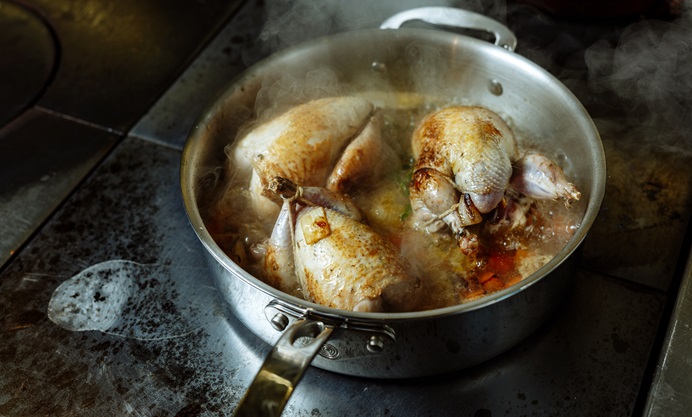
    Michelin starred Chef Paul Welburn is at the top of his ‘game’ with this recipe for honey-glazed mallard & confit leg. A more complex recipe, the mallard is first pan fried, then roasted to perfection in the oven, and finally topped with a rich honey, star anise and juniper glaze. Served alongside baby turnips and cavolo nero this really is a superb dish that would suit a dinner for two or would be an impressive main served at a smaller dinner party with friends.

    This is another recipe in our series celebrating all things game this autumn in connection with Great British Chefs.

    ProWare Kitchen Mallard recipe Great British Chefs

    Serves: 3

    Time: 3 hours 30 minutes


    Equipment


    Ingredients

    Mallard Duck

    • 2 whole mallard ducks, legs removed and crown trimmed
    • 2 sprigs of thyme
    • 1/2 garlic bulb, split
    • vegetable oil
    • butter
    • salt
    • pepper

    Curing Salt

    • 50g of coarse sea salt
    • 1 star anise
    • 1 juniper berry
    • 1 slice of orange peel
    • 1 sprig of thyme
    • 5 black peppercorns

    Duck Sauce

    • 1kg mallard duck bones, or use regular duck bones if unavailable
    • 3 shallots, peeled and sliced
    • 1 carrot, peeled and chopped
    • 1 garlic clove, sliced
    • 1 juniper berry, crushed
    • 3 peppercorns, crushed
    • 1 sprig of thyme, small
    • 1 tbsp of red wine vinegar
    • 175ml of red wine
    • 125ml of port
    • 500ml of dark chicken stock
    • 1 dash of oil

    To confit the duck legs

    • 500g of duck fat, melted
    • 1 sprig of thyme
    • 1/2 garlic bulb, split

    Mashed Potato

    • 800g of floury potatoes
    • 200g of cream
    • 200g of butter
    • salt
    • pepper

    Baby turnips

    • 1 bunch of baby turnips, trimmed and washed
    • 200g of water
    • 200g of butter

    Honey glaze

    • 100ml of honey
    • 25ml of sherry vinegar
    • 2 juniper berries
    • 2 star anise

    Cavolo nero

    • 400g of cavolo nero, hard stems removed
    • salt
    • pepper

    To serve

    • thyme leaves
    • flaky sea salt

    Cooking Method

    1. To begin, prepare the mallard legs. Add the curing salt ingredients to a blender and blitz together until well-combined. Cover the mallard legs in the salt mix in a dish and set aside in the fridge for 1 hour.
    2. Preheat the oven to 190°C/gas mark 5.
    3. While the legs are curing, start the sauce. Spread the bones out on a roasting pan and roast in the oven for 20 minutes, or until golden.
    4. Add a dash of oil to a saucepan over a medium heat. Once hot, add the shallots and carrots and cook until tender and golden. Add the garlic, spices and herbs, then deglaze the pan with the vinegar, scraping the base of the pan to remove any residue.
    5. Add the wine and port and reduce by half. Add the roasted bones and stock and simmer for 25–30 minutes.
    6. Rinse the salt from the mallard legs and pat dry. Add the legs to a saucepan fitted with a cooking thermometer, add the thyme and garlic and pour over the melted duck fat, ensuring the legs are completely covered. Place over a low heat and steadily confit at 85°C for 2 hours. Do not allow the temperature to go above 85°C, or the meat will start to fry and toughen.
    7. Preheat the oven to 180°C/gas mark 4.
    8. Place the potatoes for the mash on a baking tray and cook in the oven until completely tender inside.
    9. Meanwhile, pass the sauce through a fine sieve into a clean pan and reduce over a medium-high heat until it reaches the desired consistency. Season to taste and set aside.
    10. When the mallard legs are ready, carefully drain from the fat. Twist the thigh bone out of the leg, leaving the drumstick bone in place. Set aside.
    11. Now cook the turnips. Add the water to a pan, bring to a simmer then whisk in the butter. Add the turnips and cook until tender, for approximately 20 minutes.
    12. To make the honey glaze, add all the ingredients to a small saucepan and bring to the boil over a high heat. Reduce the liquid by one third and set aside.
    13. When ready to cook the duck crowns, heat a dash of oil in a large frying pan. Season the crowns, inside and out, and place the crowns in the pan breast-side down. Caramelise all over the breasts until golden, draining any excess fat as it renders.
    14. Once nicely golden, add a large knob of butter, garlic and thyme, basting the birds in the foaming butter.
    15. Sit the crowns up, fill the cavities with a little extra thyme and the garlic from the pan, and place in the oven with the potatoes for 8 minutes, basting every 2 minutes. Remove from the oven and allow to rest for 10 minutes.ProWare Kitchen Mallard recipe Great British Chefs
    16. Remove the potatoes from the oven and scoop out the flesh. Heat the cream and butter in a pan to melt together. Pass the potato flesh through a potato ricer (or use a masher to mash) and beat in the cream and butter. Season to taste and set aside.
    17. To cook the cavolo nero, drain some of the butter emulsion from the turnips and heat in a pan. Add the cavolo nero, cook until wilted then drain. Season and set aside ready to plate.
    18. When ready to serve, make sure all the elements are nice and hot. Arrange the turnips and cavolo nero in the base of a serving tray and place the mallard crowns on top. Brush the crowns with the spiced glaze and sprinkle over thyme leaves and flaky sea salt. Arrange the crispy confit legs around the crowns, brushing with a little more glaze.
    19. Carve at the table, serving with the with the sauce and mashed potato on the side.

    Great British Chefs

    Recipe courtesy of www.greatbritishchefs.com
  2. Pot-roasted Partridge with Grapes, Gnocchi and Mushrooms by Paul Welburn

    Comments Off on Pot-roasted Partridge with Grapes, Gnocchi and Mushrooms by Paul Welburn

    Paul Welburn, Chef Patron at The Cygnet at The Swan in Islip, created this fabulous recipe of pot-roasted partridge with grapes, gnocchi and mushrooms! It is flavourful, creamy comfort food with delightful bursts of freshness. Served in the pan for the ultimate oven-to-table dish it is perfect for sunny early-Autumn days. Herb gnocchi and some sautéed wild mushrooms complete the dish perfectly. Together with Great British Chefs this recipe is part of our celebration of all things game.

    Partridge is delicate, tender and relatively quick as well as easy to cook. It benefits from being full flavoured but at the same time not tasting too ‘gamey’. Another great benefit is that each partridge is the perfectly sized portion, one per person is ideal. This recipe combines the ease of cooking partridge with an exciting and refreshing array of flavours in the accompaniment. We hope you enjoy!

    We visited Paul at The Swan in early 2023… read about our amazing experience here.

    Pot-roasted Partridge by Paul Welburn

    Serves: 3

    Time: 1 hour 40 mins plus 1 hour to bake potatoes


    Equipment


    Ingredients

    Pot-roasted partridge with grapes

    • partridges
    • carrot, peeled and cut into quarters
    • onion, peeled and cut into quarters
    • 50ml of white wine
    • 250ml of chicken stock
    • 1 sprig of thyme
    • 60ml of double cream
    • 1 handful of chopped parsley
    • 50g of grapes, halved (a mixture of white and black)
    • 1 handful of chopped tarragon
    • 1 dash of oil
    • 1 knob of butter
    • salt
    • pepper

    Herb Gnocchi

    • 700g of floury potatoes
    • egg
    • egg yolk
    • 50g of flour
    • 1 tbsp of chopped parsley
    • 1 tbsp of chopped chives
    • 1 tbsp of chopped chervil
    • salt
    • pepper

    Wild Mushrooms

    • 50g of chestnut mushrooms, quartered
    • 50g of girolles
    • 12g of butter
    • chopped parsley
    • 1/2 garlic clove

    Cooking Method

    For the gnocchi

    1. To begin, prepare the gnocchi. Preheat the oven to 180°C/gas mark 4.
    2. Prick the potatoes all over and bake whole in the oven until the flesh is completely soft. While still hot, scoop the flesh out of the skins and pass through a potato ricer (or use a masher.)
    3. Mix the egg, egg yolk and flour in a bowl to combine, then lightly mix into the potato – do not over-mix. When just combined, add the herbs and roll into long logs measuring 2cm in diameter.
    4. Cut the logs into individual gnocchi and heat a large pan of water until almost boiling. Add a batch of the gnocchi and cook until they float to the surface – it’s best to do a smaller test batch at first to make sure you have enough flour in the mixture. If they don’t float, mix again with a sprinkling more flour and re-roll and cut.
    5. Drain and plunge into iced water to chill quickly. Repeat in batches with the remaining gnocchi. When all of the gnocchi have been cooked and chilled, place in the fridge until required.

    For the partridge

    1. Preheat the oven to 180°C/gas mark 4.
    2. To cook the partridges, add a dash of oil and knob of butter to a large saucepan and allow to heat up. Once the butter is foaming, add the partridges and colour all over, until golden. Remove from the pan and set aside.
    3. Add the carrots and onions to the same pan and cook until tender and golden. Deglaze with the white wine, scraping the bottom of the pan to remove any residue.
    4. Add the chicken stock and thyme, return the birds to the pan and cover with a lid. Place in the oven for 25 minutes.
    5. Remove the partridges from the pan and allow to rest in a warm place. Add the cream to the pan and bring to the simmer. Season well, add the grapes and herbs and place the birds back in the pan. Keep warm.

    To finish

    1. Add a dash of oil to a non-stick pan and when hot, add the gnocchi. Pan-roast on all sides until golden, then add to the pan with the partridges.
    2. Add a knob of butter to another non-stick pan and place over a medium-high heat. Add the garlic clove and mushrooms and roast for 1 minute until lightly golden. Stir in the parsley, season then sprinkle the mushrooms over the partridges.
    3. Serve in the pan at the table for everyone to dig in.

    Great British Chefs

  3. 7 Ways to Use Our Minis

    Comments Off on 7 Ways to Use Our Minis

    When we have done food events in the past, it has often been our mini pans that attract people to our stand. After the initial ‘ooohs’, ‘aahs’ and declarations of cuteness, people nearly always ask ‘but what would I use them for?’

    Well you’d be surprised just how useful they can be. Here’s a few things we like to do with them.

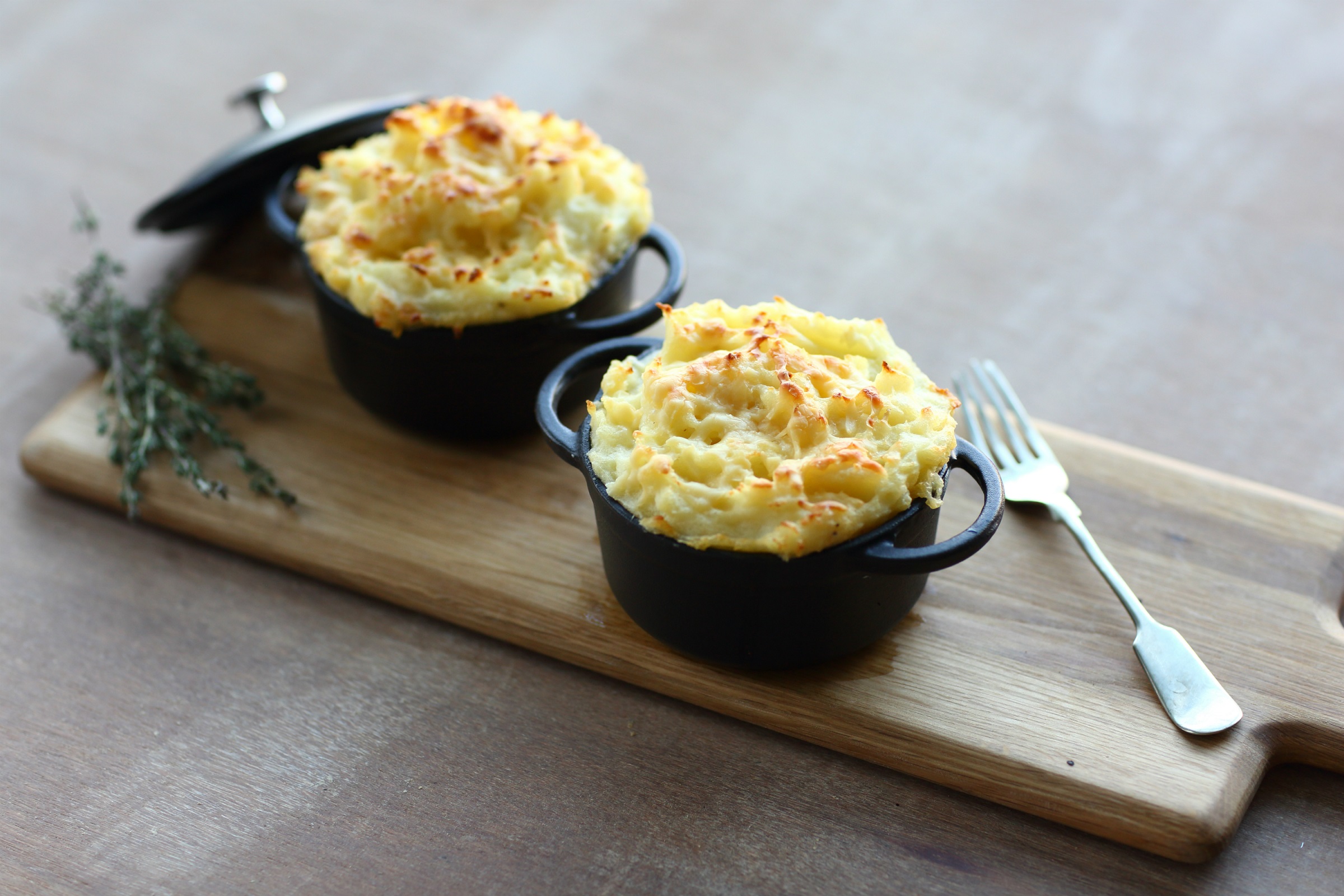
    1 Pot Pies

    ProWares Cast Iron Mini Casseroles 2

    Serving in a Cast Iron 10cm Mini Casserole is a great way to make individual pot pies that are not only sure to impress at a dinner party but provide a more generous portion than you might think.

    2 Toasting Nuts and Spices

    Proware Balsamic Pear Salad

    This helps release the aromatic compounds in nuts and spices, intensifying their flavour which can really improve things like curries and salads. We recommend using a Copper Tri-Ply 12cm Mini Frying Pan thanks to its compact size.

    3 Butter, Brandy and Basting

    In a professional kitchen the Copper Tri-Ply 9cm Mini Pan would likely be referred to as a butter pan and would be used extensively in the making of sauces and sweets. This functionality carries through to home kitchens too! Warming brandy for the Christmas pud, basting meats when barbecuing or infusing oils for bread, pasta and salads.

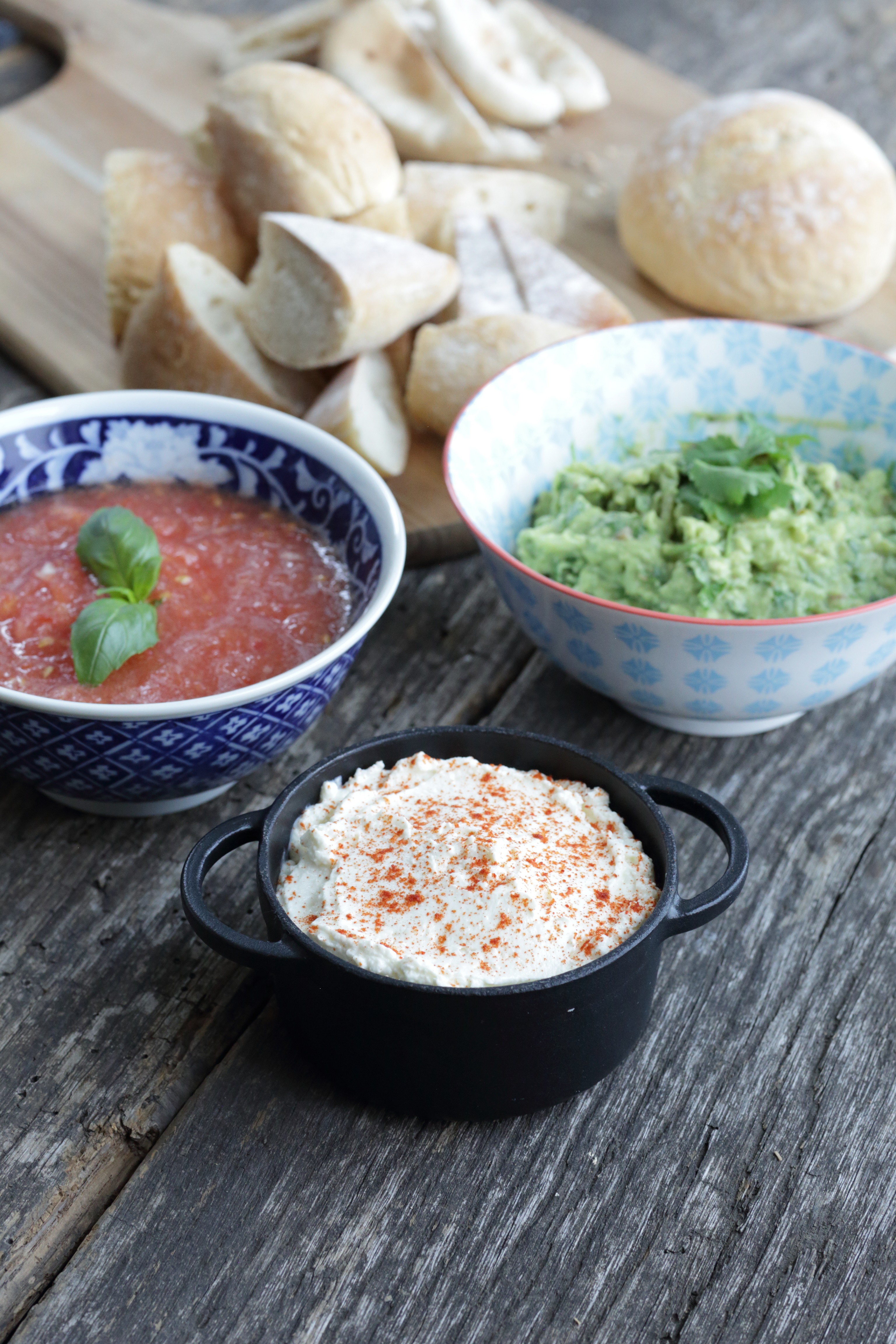
    4 Serving Dips and Sauces

    ProWare Dips

    Our Mini Casseroles are a great size for the table. The thermal retention of cast iron also means it can keep its contents warm (or cold, just pop in the freeze for 20 mins before serving) for a long time. Find some great dip recipes here.

    5 Frying an Egg

    Breakfast for one? A Copper Tri-Ply 12cm Mini Frying Pan is the perfect diameter for a single fried egg.

    6 Cooking for Kids

    If you’re warming baby food or cooking a small portion of veg, the Copper Tri-Ply 9cm Mini Pan comes in very handy.

    7 Serving Veg

    Whether you’re planning a romantic meal for two or a dinner party for ten, our copper and cast iron minis make for beautiful tableware to make your food feel that bit more special.


    Tip: Small pans can be unstable on some hobs. If this is the case with yours we would recommend a hob reducer to ensure your pan is properly supported.

  4. Why We Offer a Lifetime Guarantee

    Comments Off on Why We Offer a Lifetime Guarantee

    ‘They don’t make ‘em like they used to’

    This is a phrase that is thrown around all over the place these days. Whether its chocolate bars getting smaller or washing machines packing in after just a few years, it is becoming more evident that everyday items are gradually transforming into shadows of their former selves.

    The cost of raw materials is increasing. As is the pressure to be competitive in a market saturated with products and outlets. It is therefore understandable that companies are de-spec’ing their products in order to make their production viable and profitable. An unfortunate downside of this is that product quality and longevity suffer, making items less durable in a society that is becoming increasingly throwaway.

    Brands that continue to manufacture a product designed to last, who are unwilling to sacrifice quality to participate in a race to be cheapest and are now something of a rarity. We believe ProWare to be an example of such a brand.

    ProWare at The Milestone

    Our cookware is used daily in professional kitchens

    ‘What would we want in our own kitchen?’

    When developing our products, we wanted the result to be something we would be willing to buy ourselves, that would satisfy our appetites for quality and value.

    For this reason, we went above and beyond when specifying our cookware. The Tri-Ply ranges have a minimum wall thickness of 2.5mm (up to 3mm in the Copper Tri-Ply). This is more than six times that of some commercially available items. The handles on all our pan ranges are cast stainless steel, as are the rivets used to attach them. Securing the handle with stainless steel rivets requires 200 tonnes of pressure and ensures the handle will never loosen. Most manufacturers use aluminium rivets, which are fastened using only 45 tonnes of pressure due to aluminium being a softer metal than stainless steel. This is considered a more cost effective choice but aluminium can deform as a result of sustained stress or frequent jarring. This can cause handles to loosen with time.

    Perhaps the most vunerable part of any pot or pan is the interior. It is this surface that will be exposed to the most hostile conditions. The interior of a pan will regularly come in to contact with three potentially destructive elements; moisture, heat and acidity. These can combine to become detrimental to some metals over time so it is essential the correct ones are used. That is why we use 18/10 grade stainless steel for the interiors of all our pans. The name refers to the chromium and nickel contents of the steel. This is considered the highest grade of stainless steel in domestic use and is noted for its excellent resistance to corrosion.

    You can find out more about the construction of our pans here.

    Buy well, buy once

    We are confident in the knowledge that we have done everything possible to make our pans as good as they can be. It is this which allows us to offer a lifetime guarantee across all ranges with the exception of our non-stick items. The non-stick we use is Teflon Platinum Plus, a market leader renowned for its toughness and longevity. As good as it may be, it will not last forever.

    We hope you can share our faith in the cookware we produce and that you can make a purchase knowing it will stay with you through decades of use to be passed on to future generations.

  5. Foodie Dates for your Diary – April 2018

    Comments Off on Foodie Dates for your Diary – April 2018

    Spring is here and with it comes a lot of exciting foodie events for you to enjoy! Veganism and vegan food has become increasingly popular in recent years which is evident in April’s abundance of vegan festivals which include lots of food stalls and more, giving you the opportunity to try out some lovely food.

    Walton Hall Food Festival Paulas cooking in a camper

    Walton Gardens Food Festival

    14-15 April, Walton Hall, Warrington

    Entry: Free to enter (car park charges apply)

    The beautiful Walton Gardens will become a foodie paradise; hosting over 40 artisan producers serving lots of tasty hot food as well as great drinks to enjoy. The festival events will be held in the newly refurbished ‘Riding School’ as well as the main lawns and bandstand. Bring the family and enjoy all that this fabulous event has to offer.

    Porthleven Food and Music Festival

    20-22 April, Porthleven, Cornwall

    Entry: £7.50 – £35.00 (more details here)

    This festival, hosted in the stunning seaside town of Porthleven is perfect for the foodie who is also a music lover. This 3 day event, now in it’s tenth year is a well established event which brings around 30,000 people together each year who gather to enjoy demonstrations at the national and international chef’s theatre, enjoy tasty treats from the many food stalls, as well as music day and night and entertainment for all.

    Surrey Food Festival

    21st April, Old Deer Park, Richmond Upon Thames Surrey 10am-7pm

    Entry: £7.00 (more details here)

    The Surrey Food Festival returns for its 3rd year in 2018 with over 100 different food stalls showcasing their products, fantastic marketplace traders and a Kids Zone full of entertainment for the children to enjoy.  They’ll be a number of acts performing on the main stage throughout the day with plenty of bars offering various drinks ranging from champagne to speciality ale.  If you love food and drink this is definitely the place to be, a fantastic day out for all the family to enjoy! Tickets are currently on sale at £7 per person (under 16’s are free) with children’s wristbands available at £20 giving the little one’s unlimited access to the Kids Zone (wristbands available by pre-order only  http://www.surreyfoodfestival.com/tickets/ ).  Make Richmond Upon Thames your number one stop this April, you really don’t want to miss out on this fantastic event!

    Northern Vegan Festival

    7th April, Manchester

    Entry: £5.00 (under 16’s free)

    Due to the massive success of the 2017 event The Northern Vegan Festival 2018 will remain in huge venue Manchester central, Windmill Street, M2 3GX . The festival will have 200 stalls, 10 world food caterers, inspirational talks, innovative and exciting cookery demos, children’s activities, yoga, free samples and a huge seated cafe area. 100% of ticket money goes to animal welfare charities as the festival is fully volunteer run.

    Irish Vegan Festival 8th April

    Stalls, talks, demos and so much more

    Packed with hot and cold food, cosmetics, campaigns and more all at a lovely city centre location

    Glasgow Vegan Festival 14th April

    Glasgow Trade Halls – 50 fantastic stalls each day, 8 world food caterers, all day talks and all day cookery demos.

    Birmingham Vegan Festival 14th April

    100 stalls featuring mainly food. The profits of the event go to the charity organising the event which helps care for and rehome animals that have been rescued.

    Leicester Vegan Festival 21st April

    Leicester’s biggest vegan festival with over 80 stalls, all day talks and all day cookery demos!

    Scottish Vegan Festival 21st April

    The Scottish Vegan Festival is one of a series of vegan festival events. Our inaugural event was at the Corn Exchange, 10 New Market Rd, Edinburgh EH14 1RJ on Saturday 1st October 2016. They repeated it and grew the event in 2017 to be twice a year.

  6. Growing Your Own – Why Everyone Should Try It

    Comments Off on Growing Your Own – Why Everyone Should Try It

    Accessing fresh fruit and vegetables has never been easier; by popping out to your local supermarket, you can buy almost everything the year round. We are no longer required to move with the seasons and to select ingredients according to the time of year.

    A consequence of this highly consistent availability is a huge increase in food mileage – the distance your food travels from field to shelf. In a society becoming increasingly aware of its carbon footprint, it makes sense to try and reduce our reliance on imported produce and to utilise the space we have in our own gardens.

    Why do it?

    The aim is not to start a farm, live off the land and become fully self sufficient. Even if we can reduce the amount of produce being imported, just slightly, it would be start in decreasing the amount of fossil fuels used in the transport of food. This especially applies over the summer months when most of what we buy in the supermarkets can be grown here without specialist equipment. In addition to this, there are plenty of reasons to start home growing, aside from the environmental factors.

    There are few pleasures that can be likened to the sense of achievement one feels when you have grown a tangible, edible thing from a seed the size of a grain of sand. The hours spent planting, watering, pruning and weeding can also prove highly therapeutic. The time provides a chance to get out in the fresh air, away from computer screens and beeping gadgets, to de-stress and re-calibrate your mind. This is before you consider the money you can save and quality of the food you can produce as a result of your efforts.

    Growing Your Own Cucumber

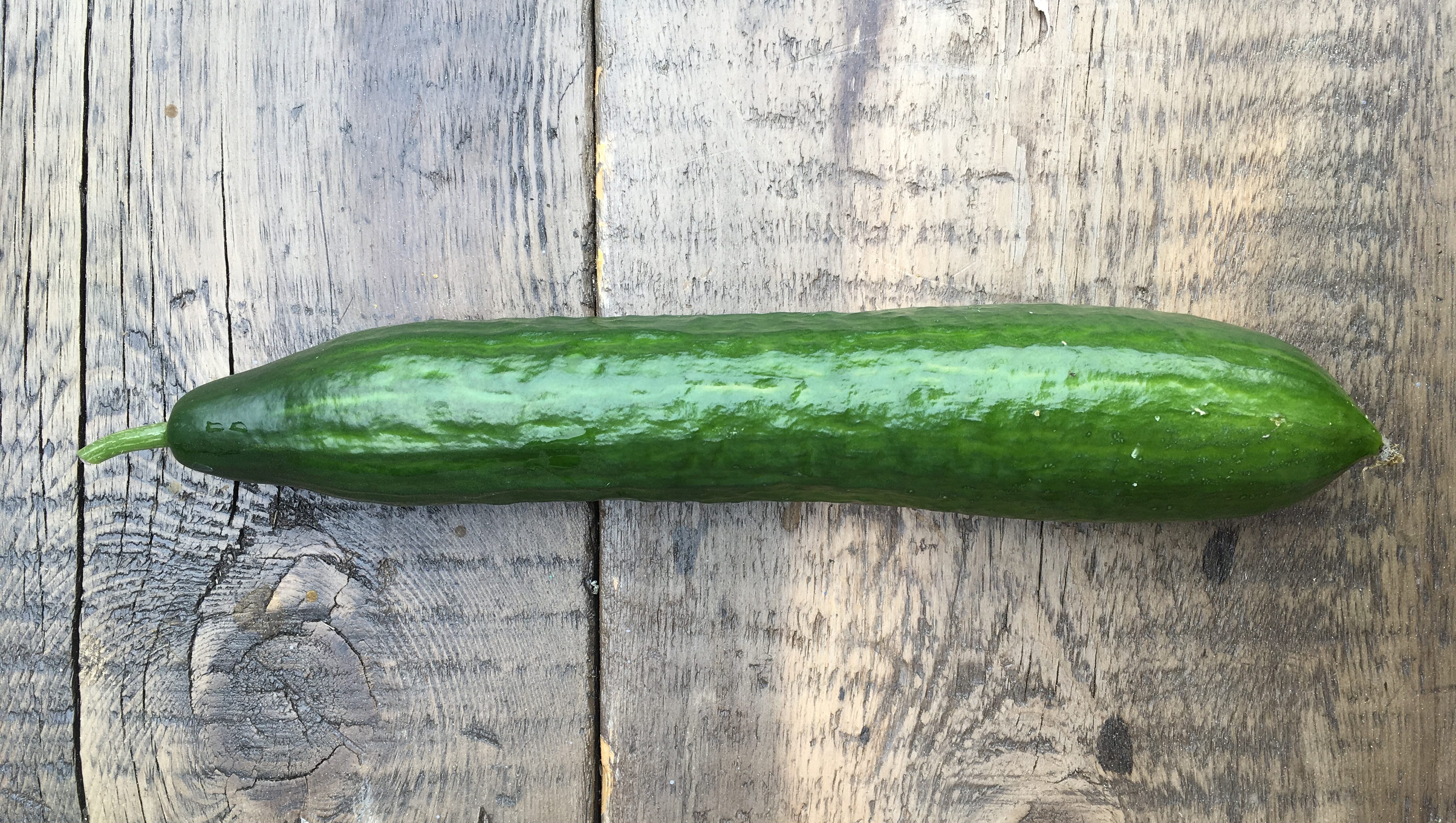
    First cucumber of the 2017 season (variety Telepathy).

    Some varieties can produce high yields with very little input (courgettes being the classic example). If properly positioned, fed and watered you can also expect a great return from tomatoes, chillies, cucumbers and peppers. Perhaps the easiest things to grow in our climate are potatoes. You can plant them in the ground (be careful as they can easily spread) or just about any deep container, build up the soil around the growing stems and leave them be. They will thrive in our climate and can be planted from late winter and harvested right through to mid autumn. Find out more about growing potatoes here.

    Anyone Can Do It

    It is a common misconception that you need a huge garden and a greenhouse to grow your own fruit and veg. It’s true that these things certainly won’t hurt but they are by no means essential. Whether you have a 50-acre estate or a sunny windowsill at your disposal there is nothing stopping you from getting stuck in.

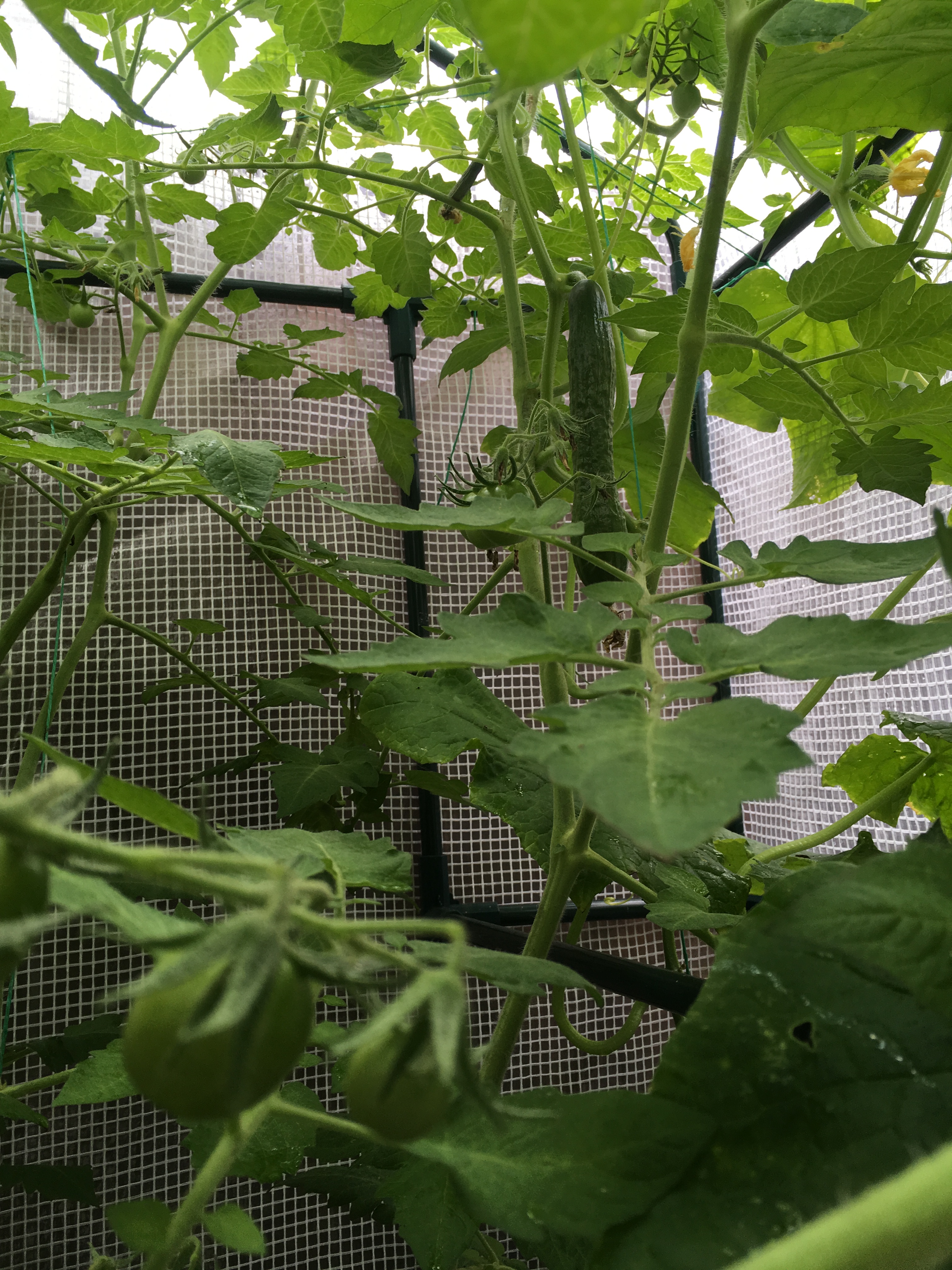
    If you are low on space, growing things in containers is a great place to start with many fruits and vegetables growing perfectly well in pots or grow-bags (more info here). You can also buy small portable greenhouses for things like tomatoes and cucumbers that benefit from warmer temperatures than we can typically expect in the UK.

    Even with no outside space at all you can grow the likes of salad greens, herbs and chillies on a windowsill. There are a huge number of products available for you to create a kitchen garden actually inside your kitchen, some of which remove the need for sunshine (find out more here).

    Growing Your Own2

    Now is the Time to Get Started

    March is typically considered the start of the growing season and is a perfect time to get cracking. It is still a bit cold to plant some things outside but you can start sowing indoors. Once seeds germinate you can think about transferring seedlings outside when temperatures increase in late April or May. You will find specific instructions on when and where to sow on the back of seed packets.

    What are you waiting for?

    Get In Touch

    If you grow your own, we would love to hear from you. Email or tweet us and let us know what you love about it, if you have any tips and tricks, or if you just want to share some photos of your produce.

  7. Finding the Right Cookware for You

    Comments Off on Finding the Right Cookware for You

    Buying new cookware can be difficult. Aside from being a financial investment, there is such a vast array of products out there that it is sometimes a challenge to choose correctly.

    You may be lucky enough to know exactly what you want and exactly where to get it. Or perhaps you’ve had the same set of pans for the last 30 years and just plan on buying the same ones again.

    If, however, you simply don’t know where to start, try asking yourself…

    What do you cook on?

    First things first, the type of hob you have (or plan to get) is very important. It will be either gas, radiant ring, ceramic or induction.

    A lot of cookware can be used on all types of hob (*cough* our Stainless Steel Tri-Ply for example *cough*), but there are some types that cannot be used on induction hobs. This is due to the item having a non-ferrous base. In other words, the base is not made of a magnetic metal such a cast iron or certain stainless steels.

    Pots and pans with a base made from a metal such as copper or aluminium are not compatible with induction hobs. Make sure to check your pans are induction compatible before trying to use them on an induction hob.

    What is your style?

    Your personal style and the aesthetic of your kitchen are factors that you should probably think about. As with kitchens, cookware is available in a wide spectrum of styles, from traditional to ultra modern. If you are planning on spending a lot of money it is important to go with something that you not only love but won’t get tired of. If you are easily bored, opting for high spec, expensive cookware is inadvisable.

    When designing our cookware we set out to give them a timelessness, to make them look and feel at home in any setting. We did this by incorporating traditional elements such as riveted handles and hanging loops in to a fresh and contemporary shape.

    Who do you cook for?

    Another consideration is the number of people you are regularly cooking for. Small saucepans (16cm or less) would likely be seldom used in a large family, thus it may be preferable to have 2 large pans (18 or 20cm) that will be used all the time than 3 or 4 of varying sizes, some of which may never leave the cupboard.

    Conversely, if you are generally only cooking for two, smaller saucepans will be used much more frequently. That said, it would no doubt be favourable to still have a large saucepan on hand should you have guests.

    With this in mind it may be better to purchase pans as individuals rather than in sets. Nobody can predict you cooking habits better than you. Explore our saucepans here.

    What do you like to eat?

    Most pots and pans are very versatile and can be used for all sorts, making them an essential part of any kitchen. There are certain items though that have quite niche roles in the kitchen, some of which may be of no use to you.

    For example, non-stick frying pans. There is no denying that they are great for fried eggs and pancakes. However, we would recommend one with a stainless steel interior for just about everything else. If you never cook fried eggs or pancakes, perhaps a non-stick frying pan is not for you.

    Likewise, the functionality of a milk pan is quite limited because of its small capacity. As their name suggests, they are perfect for warming milk and making porridge too. They can also come in very handy when cooking for small children or making sauces. Beyond this, their size can hinder versatility as a saucepan and potentially demote them to a non-essential item.

    ProWare Milk Pan Porridge

    A milk pan is a must when making porridge

    What do you already have?

    If you already have some individual pieces, don’t replace them for the sake of it. If they’re good quality and still in working order, keep them. Many items, including the entire ProWare range, are available as individuals so you can tailor sets around what you already have.

    Decision Time

    We hope these tips have given you some useful pointers on making the right choice for you. If you have any questions or would like to share a tip of your own we would love to hear from you! Get in touch via social media or email us at info@proware-kitchen.co.uk.


  8. Cooking with Copper: A Brief History

    Comments Off on Cooking with Copper: A Brief History

    It is no secret that copper is currently experiencing a huge upsurge in popularity. This is mainly thanks to its beautiful colour featuring heavily in the ranges of countless homeware retailers. There is, however, far more to this lustrous metal than just its appearance.

    For example, it has a greater level of thermal conductivity than any other metal (except silver); roughly 60% higher than aluminium and 3000% higher than stainless steel. This means copper is capable of heating up very quickly when compared to other metals.

    Perhaps a less commonly known property of copper is it being inherently antimicrobial. A wide range of harmful microbes are unable to survive for more than a couple of hours when in contact with a surface made of copper or one of its alloys (brass and bronze). This has led to it often being used for frequently touched surfaces such as door knobs, push plates and taps.

    A seemingly perfect material for cooking, it is therefore no surprise that it has been used in kitchens for millennia. But exactly when did we learn to utilise copper and its valuable assets?

    Origins

    It is hard to pin down an exact date when copper cookware was first introduced. Pieces discovered in regions of the middle east were dated as far back as 9000BC, suggesting cooking with copper began during the Neolithic period (≈10000-2000BC). As civilisations became increasingly capable in metallurgical techniques, metals such as copper became more widely used. It would have been around this time that copper replaced stone as the material used for making tools and cooking vessels.

    The use of copper is also well documented in Ancient Egypt. Not only was it used to produce water and oil containers, but it was also used to in medical practices. The antimicrobial nature of copper was exploited long before the concept of microorganisms was fully understood. The Smith Papyrus, a medical text written between 2600 and 2200BC records the use of copper in sterilising wounds and drinking water.

    Tin Lining

    Although copper is essential to many processes within the human body, it can become toxic if consumed in excess. It was this knowledge that gave rise to lining cookware with tin, a technique used for hundreds of years to prevent copper leaching in to food.

    These tin linings would eventually wear out and during the 18th and 19th century, it was common for people to send pans away to be re-tinned. This practice is becoming increasingly rare, as are the craftsmen who perform it. Despite this, there are still manufactures producing tin-lined copper cookware who also offer a re-lining service. Perhaps the best known of these is Mauviel, a French manufacturer who have been making this type of cookware since 1830.

    Tin has now largely been replaced by stainless steel as an interior cooking surface. Not only is it more cost effective, but the high grade of stainless steel used in premium cookware (typically 18/10) is highly resistant to corrosion and more durable than tin.

    Copper Base

    Another way in which the virtues of copper have been combined with those of stainless steel is in copper base cookware. A base plate made from a layer copper and aluminium is fused to a stainless steel body. This is done using a process called impact bonding using 600 tonnes of pressure.

    The high conductivity of copper means the base of the pan will heat much more evenly, reducing the formation of hot spots. Modern 3 ply copper cookware effectively extends this base construction up the sides of the pan also.

    Tri-Ply

    As manufacturing processes advanced it became possible to combine different materials to produce cookware made up of three distinct layers, each possessing their own unique properties. These are as follows;

    1st Layer – Copper

    Very high thermal conductivity allows the entire outer surface to heat rapidly and evenly.

    2nd Layer – Aluminium

    Provides a lightweight core with excellent thermal retention.

    3rd Layer – Stainless Steel

    An inert and highly durable cooking surface.


    Copper Tri-Ply Construction

    It is this type of construction that is used by ProWare to produce our Copper Tri-Ply cookware. You can find out more about how these pans are made here.

  9. Lamb Rogan Josh with Spice Kitchen

    Comments Off on Lamb Rogan Josh with Spice Kitchen

    Spice Kitchen are an award-winning artisan producer of tea and spice blends based in Walsall. They have a excellent range of small batch, freshly ground spices great for keen home cooks. In addition to this they sell products for tea aficionados and have some wonderful gift ideas.

    They were kind enough to send us two of their spice tins, containing 10 Indian spices with 7 individual spice pots, wrapped in a beautiful handmade silk sari wrap.

    We have used the spices from their Indian Spice Tin to make a fantastic Lamb Rogan Josh. Lamb Rogan Josh is an old family favourite of ours and for the longest time the version in Madhur Jaffrey’s Indian Cookery was our go-to dish for an easy Saturday night.

    The dish originates from Kashmir and can be made using beef or lamb. In researching this version, we saw a suggestion that the meat could be substituted for cauliflower – though cooking times would obviously be significantly reduced!

    Part of the faff of making this dish was sorting through the spice cupboard or having to pop out to the supermarket. Thanks to Spice Kitchen almost all of the ingredients were easily to hand in the spice tin.

    The dish is even better if it is prepared ahead of time and the sweet yellow rice is a perfect accompaniment if you have the time!

    ProWare Beef Rogan Josh Spice Kitchen

    Lamb Rogan Josh

    Serves: 4 (easily doubled)

    Prep time: 20 minutes

    Cooking time: 2hr 15 minutes


    Equipment


    Ingredients

    • 4tbsp vegetable oil
    • 5cm piece fresh ginger
    • 8 cloves garlic, peeled
    • 10 cardamom pods, whole
    • 2 curry leaves
    • 6 cloves, whole
    • 10 peppercorns, whole
    • 1 cinnamon stick
    • 2 tsp cumin seeds, ground
    • 2 tsp ground coriander
    • 2 tsp paprika
    • 1 tsp cayenne pepper
    • 1 tsp salt
    • 0.5 tsp garam masala
    • 900g rolled lamb shoulder, cut in to 2cm cubes
    • 200g onions, peeled and finely sliced
    • 6 tbsp natural yoghurt

    Cooking Method

    1. Using a blender, combine the ginger, garlic and 4 tbsp water into a smooth paste.
    2. Heat the oil in a wide, heavy pot over a medium-high heat and brown the meat in several batches. Set to one side.
    3. Add the cardamom, bay leaves, cloves, peppercorns and cinnamon to the hot oil, stir once and wait until the cloves swell and the bay takes on colour. Then add the onions and fry for 5 minutes until they brown.
    4. Add ginger paste and fry for 30 seconds. Mix in the coriander, cumin, paprika and cayenne; then add the fried meat and juices and stir for 30 seconds.
    5. Add 1 tbsp of the yoghurt and stir until it is well blended. Add the remaining yoghurt, a tablespoon at a time, stirring in between.
    6. Cook for a further 3-4 minutes then add 425ml water and bring to the boil.
    7. Cover and turn heat to low. Simmer for 2 hours or until meat is tender. Alternatively, cook in oven at 180C. Stir every 15 minutes or so.
    8. When the meat is tender, turn the heat up, remove the lid and boil off some liquid.
    9. Before serving, skim off as much fat as you can from the top and sprinkle with garam masala and some freshly ground black pepper.

    Sweet Yellow Rice (Meetha Pullao)

    Serves: 4 (easily doubled)

    Prep time: 3hr 25 minutes

    Cooking time: 1hr 10 minutes


    Ingredients

    • 1/2 tsp saffron threads
    • 2 tbsp whole milk, warm
    • 200g basmati rice
    • 3 tbsp ghee or butter
    • 4 green cardamom pods
    • 1 cinnamon stick
    • 1/2 tesp salt
    • 15g flaked almonds
    • 1tbsp sultanas
    • 90g caster sugar

    Equipment


    Cooking Method

    1.  Using a frying pan, toast the saffron over a medium heat until the threads turn slightly darker.
    2. Put the milk in a cup and crumble in the saffron. Set aside for 3 hours.
    3. Wash the rice, changing the water 3 times, then drain. Leave it to soak in 1.2 litres of water for 30 minutes. Drain and leave in the colander for 20 minutes.
    4. Preheat the oven to 150°C/300°F/gas mark 2.
    5. Heat the ghee over a medium heat in a wide, oven-proof pan. When it’s hot, add the cardamom and cinnamon and stir. Add the rice and stir.
    6. Sauté the rice gently for about 3 minutes, reducing the heat slightly if it begins to catch. Add 325 ml of water and the salt.
    7. Increase the heat back to medium and gently stir. Cook the rice until all the water is absorbed.
    8. Pour in the saffron milk and stir in the almonds, sultanas and sugar. Cover very tightly and put the pan in the oven for 30 minutes.
    9. Remove the rice from the oven and stir. Remove the cardamom and cinnamon. Sprinkle with the extra sultanas and almonds to serve.

    Spice Kitchen™ - Spices, Spice Blends, Gifts & Cookware

    spicekitchenuk.com
    soldwithlove@spicekitchenuk.com

  10. The Kitchen Kit We Can’t Live Without

    Comments Off on The Kitchen Kit We Can’t Live Without

    There are items you buy for your kitchen that you think will be life changing. You get it home, purposefully cook something that requires its use and marvel at the speed and ease with which you have managed to hull a strawberry or slice an avocado. After a few weeks you realise that the task you bought this gadget for can be done with a knife. Just as quickly (if not quicker because you already have a knife out of the drawer) and just as easily (when you think about having to dismantle and wash your new toy). So it remains untouched, existing only to make your utensil draw harder to open and to act as a constant reminder of your misguided vision and wasted money.

    However, there are those things that become your close culinary companion that you use almost every time you cook. You may stumble upon something in a shop completely by accident, its £2 so you throw it in your basket without giving it a moments thought and it turns out to be the the single most indispensable item in your kitchen. It could be something you treated yourself to 10 years ago because you always wanted one. It was expensive but hey, you get what you pay for; and you still have it now, sitting on a shelf looking as good as the day you bought it.

    We think it important to celebrate those things that can be kept and used and loved for years on end so we asked members of the ProWare team to tell us about the kitchen kit they have come to treasure.


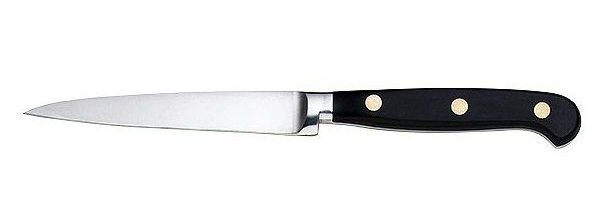
    Faye – Fully Forged All-Purpose Knife, £13.99, Lakeland

    http://www.lakeland.co.uk/15222/Lakeland-Fully-Forged-Stainless-Steel-All-Purpose-Knife-10-5cm-Blade

    lakeland.co.uk

    Why I love it – 

    “£14 is a steal for this knife. It’s the perfect size and shape for all sorts – fruit, vegetables, meat, cheese; just everything. The blade stays sharp after prologued use and it can go straight in the dishwasher afterwards. It has a lovely sturdy and well-balanced feel in your hand. For all round performance and value, its the best knife I’ve ever bought!”

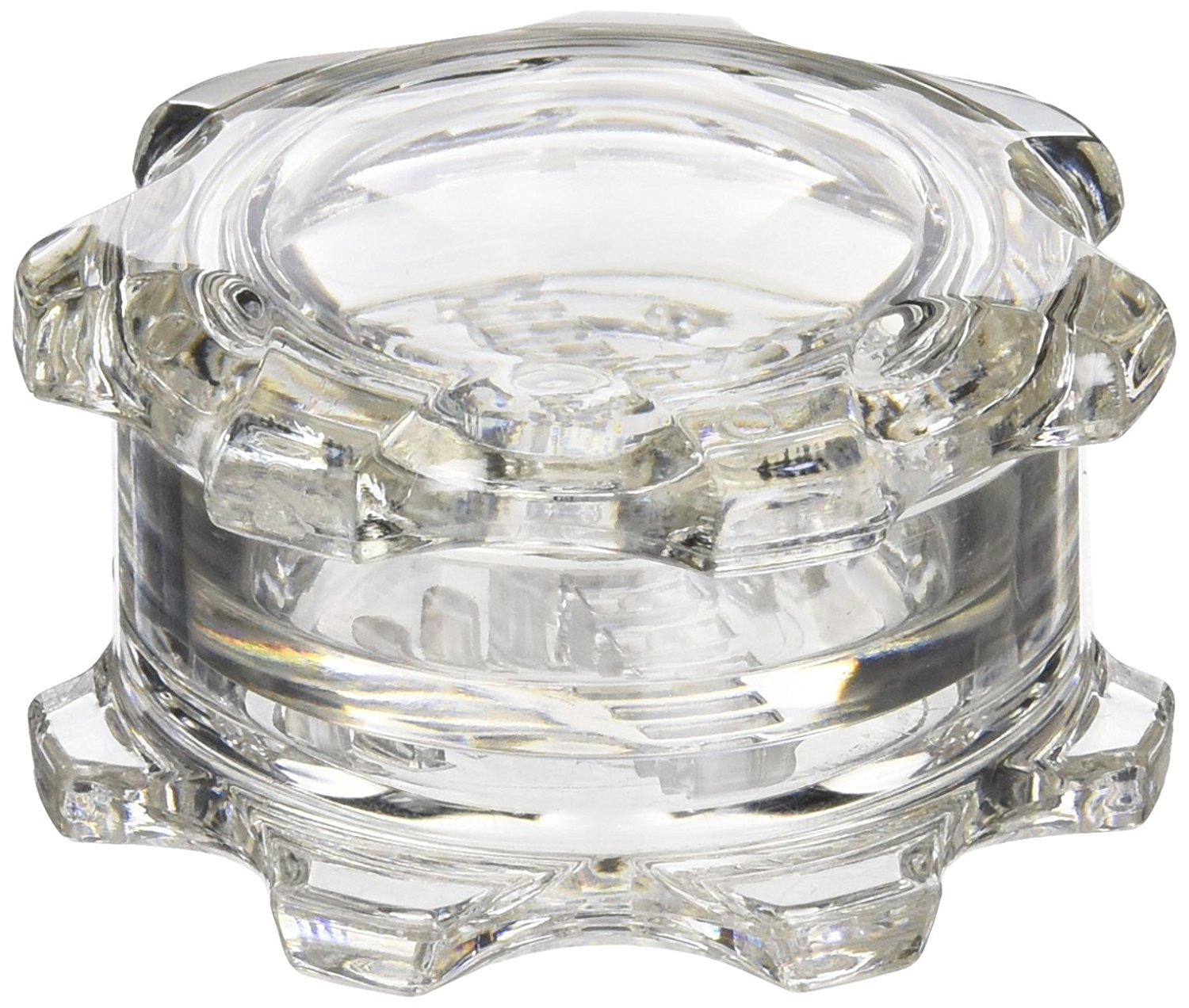
    Fiona – The Garlic Twist, £18.50, Amazon


    The Garlic Twist

    amazon.co.uk

    Why I love it –

    “We use a lot of garlic at home and this has saved us so much time. It’s a quick and easy way of producing finely chopped and minced garlic. No more fiddly chopping or scraping bits off a chopping board. Once twisted, the contents can be used when required and simply emptied in. It also works great with ginger, chillies and herbs.”

    Danielle – Stainless Steel Turner, £4, M&S

    M&S Stainless Steel Turner

    marksandspencer.com

    Why I love it – 

    “Put simply, its just a great turner. It has a large surface area which makes it good for flipping omelettes which I have quite frequently, or fried eggs. It hasn’t overheated and deformed like a previous one I had. I have a lot of roast veg and chicken combos so it’s good for serving them up as well and because of the nylon head it doesn’t scratch baking trays and non-stick cookware. For M&S it’s very reasonably priced for the quality you get and no more expensive than a lot of their competitor’s offerings.”

    Robert – Hygiplas LDPE Chopping Board, £19.99, Nisbets


    Hygiplas LDPE Chopping Board

    nisbets.co.uk

    Why I love it –

    “Very easy to clean, non-absorbent and kind to knife blades. £20 may seem expensive for a plastic board but these are solid and will last years. They’re also available in various colours to avoid cross contamination of raw and cooked ingredients.”

    Rachel –  Pyrex 2L Glass Bowl, £6.62, Amazon

    Pyrex Glass Bowl, 1.0L

    amazon.co.uk

    Why I love it –

    “You just can’t have too many of these – they’re so versatile! Oven, microwave, freezer and dishwasher safe and really excellent value for money. Available in sizes 0.5L to 3L and they are all handy but I find the 2L to be the best all-rounder.”

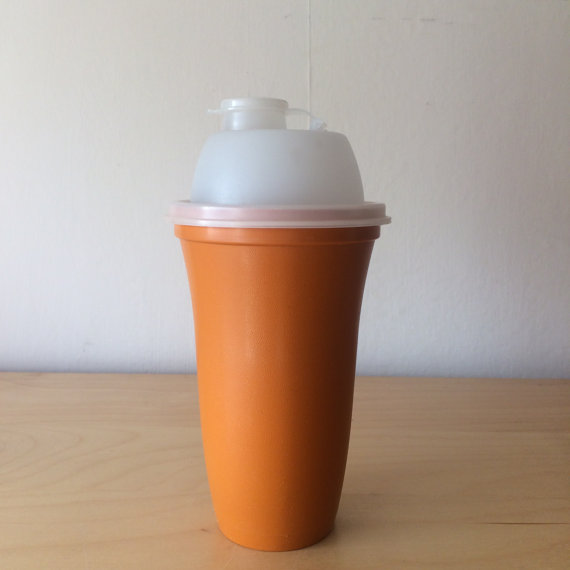
    Jayne – Tupperware Batter Shaker (get one similar here)

    Tupperware Batter Shaker

    Tupperware Batter Shaker (via pinterest.co.uk)

    Why I love it –

    “I have an original Tupperware batter shaker that my mum bought me when I first left home (that’s a long time ago now) and I still use it all the time for batter mixes and scrambled eggs. I used to use it for Angel Delight treat time when my lads were young and it’s now become my grandson’s favourite ‘ok to play with’ item from my cupboards. Apart from the fond memories, it’s a great little gadget that I can’t image being without!”

    Lawson – IDEALISK Whisk, £1, IKEA

    IDEALISK Whisks

    ikea.com

    Why I love it –

    “I bought these on a whim about a year ago because my old whisk was starting to rust – at a quid for two I really didn’t expect much. The quality of both whisks is excellent and they represent outstanding value for money but it’s the coil whisk (the one on right) that was a real game changer for me. I use it all the time! It has a flat bottom so it’s perfect for use in small saucepans and jugs, it’s light, easy to clean and despite being essentially a length of wire, the handle feels very ergonomic.”

    Get in touch!

    We would love to hear about what you have in your kitchen and why you love it. Please leave a comment below, email or tweet us.