Tag Archive: Celebration Recipe

  1. Texas Inspired Hog Roast

    Comments Off on Texas Inspired Hog Roast

    If you’ve ever had good BBQ or smoked meat, you know there is nothing else like it. In 2012 my husband and I along with some of our friends travelled to Texas for our close friend’s wedding and the people, the heat and most of all the food did not disappoint. When in Texas, one must eat as a Texan and that is what we did. Our host and hostess planned many ‘Americazing’ food venues for us to visit including one BBQ restaurant, The Salt Lick, which featured in the TV show Man V Food. Here we tasted scrumptious brisket, succulent sausages and finger lickin’ ribs which has seemed to fuel our obsession with smoked food since returning to the UK.

    ProWare's Hog Roast - photos from Texas

    We have done brisket (our favourite) many times now, pork chops and salmon, but my husband being ever keen for something bigger and better decided he wanted to slow roast half a pig. We’ve done it twice now, once in April and then again in August for a large family reunion, both of which were roaring successes. We also referred to Project Pig in Manchester for guidance & instruction which proved very helpful.  The next plan of action is to attempt spit roasting a lamb.

    Written by Corin

    Serves: 40+

    Prep time: 2 hours

    Cooking time: 14-17 hours

    Building the Pit

    We used breeze blocks to construct the pit and made a wooden frame which we later wrapped in aluminium foil and used wire to attached various oven shelves to. The frame fit in the pit so we could rest the pig on this while cooking and also remove it more easily when it had finished cooking. Another option is to get wire racking to cook the pig on, however it’s important to make sure this wire is food safe and okay to cook with.

    Scoring the Skin

    We used a Stanley knife to score the skin side of the pig as you would for a typical pork roast, in intervals of 2cm, being careful not to penetrate the fat through to the meat layer.

    Salt

    After scoring the skin we massaged salt into the exterior of the pig on both sides starting with the rib side first using Maldon Sea Salt. The smoked Maldon Sea Salt is preferable; however we just used what we had. Be very generous with the salt (we must have gone through over a box of the sea salt) and then leave the salt to sit for a half an hour. This will dry out the moisture in the skin and hopefully lead to yummy crackling.

    Olive Oil

    After letting the salt sit for half an hour brush it off and cover the whole pig in a generous amount of olive oil.

    Dry Rub

    Then massage in the dry rub. Any homemade or store bought spice/herb mix will do. Ours had cayenne pepper, garlic powder, onion powder, paprika, black pepper and tarragon.

    Meat Injections

    We injected the meat with a mixture of apple, white grape, and lots of sugar and salt.  Quantities wise, we used approximately 2 cups of apple juice, 2 cups of white grape juice and 3 heaping dessert spoons of sugar and salt. Using a meat injector, we used something similar to this, to inject the meat with juice in various different places.

    Aluminium Foil

    Next was to wrap the pig in aluminium foil and transfer it (requiring at least 2 people) to the pit. Make sure the pig is wrapped securely. The juice injected in the pig will enable the meat to slowly steam and become very, very tender.

    pig prep

    Timings and Temperatures

    We roasted the pig for a total of 16 hours(Starting at around 9pm and finishing the following day around 1pm) It’s helpful to use a meat thermometer to check the internal temperature, which should reach at least 66°C and no more than 69°C. About 3 hours before serving we unwrapped the foil from the pig and flipped it so it was skin side down on the grates. Then 1 hour before eating we flipped it back over to heat the other side and raked the coals under the pig to lower the heat. We then removed the pig from the roasting pit and wrapped it loosely with the aluminum foil and let it rest for 30 minutes before eating.

    Fire

    We used store-bought hardwood charcoal (it’s even better if you can make your own!) mixed with wood to get it going.  We used a small fire pit to one side of the large roasting pit to prepare the charcoal. The fire should be fuelled about every hour to hour and a half. Throughout the night we took it in shifts to get up, build a new fire and wait for the charcoals to become red.  Once we unwrapped the pig we added a few hickory wood lumps/briquettes (not charcoal) when refueling the fire which adds a smokey flavour. These are easily available online.

    Hog roast during

     Apple Sauce and BBQ Sauce

    We made a simple Bramley apple sauce and BBQ sauce for people to add to their meat. There are lots of different recipes online so you can choose one to your liking. Check out the BBQ sauce here and applesauce here.

    party time


  2. Potato Dauphinois

    Comments Off on Potato Dauphinois

    This classic potato dish is the most decadent of side dishes. Thin slices of potato, garlic, shallots and cream topped with Gruyere cheese. Potato Dauphinois is simply irresistible.

    ProWare's Potato Dauphinois

    Serves: 2

    Prep time: 15 minutes

    Cooking time: 40 minutes


    Ingredients

    • 1 small clove garlic, finely chopped
    • 1 shallot, finely chopped
    • 15g butter
    • 400g potatoes, peeled and thinly sliced
    • Salt and pepper for seasoning
    • Pinch of grated nutmeg
    • 300ml milk
    • 150ml double cream (crème fraiche can be substituted)
    • Extra butter to rub on inside of mini casseroles
    • 25g grated gruyere cheese

    Equipment


    Cooking Method

    1. Put the peeled and sliced potatoes in the frying pan and season with salt, pepper and a pinch of nutmeg. Then add the milk and bring to a gentle boil over a low to medium heat stirring every now and then to avoid burning.
    2. Cook the potatoes until slightly tender about 10-15 minutes. Remove the frying pan from the heat and drain the potatoes discarding of the milk.
    3. Preheat the oven to 220°C.
    4. Using a separate frying pan to fry the onion and garlic with the 15g butter until they are golden colour. Remove from heat and set to one side.
    5. Return the potatoes to the frying pan and add the cream. Over a low to medium heat bring to a boil and simmer for 10-15 minutes, stirring every now and then. The potatoes are ready when they are tender but not falling apart. Remove from heat and check the seasonings and add more salt and pepper if necessary.
    6. Butter the insides of the mini casseroles.
    7. Gently mix the onion and garlic into the potatoes. Spoon the potato mixture into the mini casseroles and sprinkle generously with the grated cheese.
    8. Bake in the oven without the lids for 10 minutes or until golden brown.
    9. Using oven gloves remove the casseroles, return the lids and serve immediately.

    ProWare's Potato Dauphinois in our Copper Tri-ply Mini Casserole


  3. Pot Roast Chicken

    Comments Off on Pot Roast Chicken

    This is a great one-pot option for your Sunday Roast. A large stockpot with a tight fitting lid is essential when pot roasting.

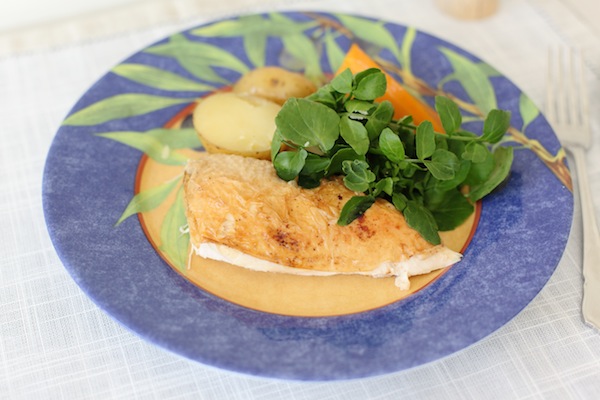
    ProWare's Pot Roast Chicken

    The lid ensures the moisture is kept in, creating a steamy environment keeps the meat nice and tender. As with all meats you are likely to get tastier results if you buy outdoor reared produce from a reputable local supplier. You probably won’t use all the gravy but don’t discard it as it will make an excellent base for soup.

    ProWare's Pot Roast Chicken on a blue plate

    Serves: 4

    Prep time: 10 minutes

    Cooking time: 1 hour 20 minutes


    Ingredients

    • 1 whole Chicken (around 1.5-2kg)
    • 60g unsalted butter
    • Sea salt flakes (to taste)
    • Freshly ground black pepper (to taste)
    • Drizzle of olive oil
    • ½ Lemon
    • 1 whole garlic bulb (this may seem like a lot of garlic but it will add depth to the flavour of the sauce and will not be overpowering once cooked)
    • 100ml dry white wine
    • 4 shallots peeled and cut in half
    • 2 large carrots, peeled and chopped into chunky pieces
    • 4 potatoes, peeled and cut into pieces about the size of a walnut (cutting the potatoes any smaller runs the risk of them ‘dissolving’ into the sauce)
    • 2 sprigs (leaves only) of an aromatic herb such as sage, rosemary, or thyme
    • Freshly boiled water
    • 5g unsalted butter
    • 1 dessert spoon of plain flour

    Equipment

    • Copper Tri-ply 24cm Stockpot
    • Knife
    • Chopping board
    • Large plate
    • Oven gloves for handling the pan in and out of the oven and on the hob top. The handles of the stockpot will get very hot whilst in the oven and will retain heat for a long time, so be when careful when handling! Oven gloves are essential.

    Cooking Method

    1. Preheat the oven to 220°C.
    2. Mix the salt and black pepper into the 60g of butter and rub it all over the chicken.
    3. Place the half lemon inside the body cavity of the chicken. Chop the garlic bulb in half horizontally and place it into the stockpot along with the chicken.
    4. Drizzle the cut garlic with a bit of olive oil then place the stockpot in the oven (without the lid) and allow the skin to crisp for 20 minutes.
    5. Once the chicken has browned use the oven gloves to bring the stockpot onto the hob, transfer the chicken to a warm plate and add the wine to the stockpot to deglaze it, over a medium heat, getting any caramelised bits off the base of the pot. These will add flavour to the finished dish.
    6. Put the chicken back into the stockpot and add the vegetables, herbs and just enough of the freshly boiled water to half cover the chicken. Place the lid on the stockpot and return to the oven using your oven gloves. Reduce the temperature to 190°C and cook for a further 50 minutes.
    7. Once the chicken is fully cooked remove from the pot and cut into sections. Serve alongside the vegetables.
    8. Thicken the sauce by mixing a dessert spoon of plain flour into a paste with the remaining butter and then whisk the paste into the sauce in the pan. The sauce must be boiled gently for a minute or so in order to cook the flour.
    9. Serve the chicken pieces with the vegetables, potatoes and a splash of the gravy. We added a handful of watercress to the plate for a fresh summery taste.
  4. Swedish Meatballs

    Comments Off on Swedish Meatballs

    Made with a mix of pork and beef as well as warming spices these Swedish Meatballs are sure to delight.

    meatball3

    Makes: 40-50 Meatballs

    Prep time: 1.5 hours

    Cooking time: 40 minutes


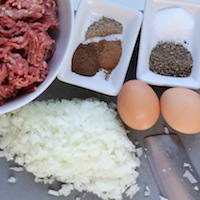
    Ingredients

    Meatballs

    • 1 large onion, finely diced (the smaller the better!)
    • 2 tablespoons unsalted butter
    • 70 grams breadcrumbs
    • 220ml whole milk
    • 2 medium sized eggs
    • 500g minced pork
    • 500g minced beef
    • 2 teaspoons salt
    • 1 teaspoon ground nutmeg
    • ½ teaspoon ground green cardamom seeds
    • 1 teaspoon all spice
    • 2 teaspoons crushed fresh black pepper

    Saucemeatball2

    • 6-10 tablespoons unsalted butter
    • 420g plain flour
    • 800ml beef stock
    • 50-100ml double cream
    • 2 to 4 tablespoons of lingonberry jam (if not available raspberry or cranberry jam can be substituted)
    • Salt and pepper to taste

    Equipment


    Cooking Method

    For the Meatballs

    1. In the bowl of an electric mixer or in a large bowl mix the breadcrumbs and milk. Leave for 5 minutes for the breadcrumbs to soak up the milk.
    2. Meanwhile, sauté the onion in the frying pan with the butter over a medium heat until the onions start to break down and are soft and translucent. This should take about 3-5 minutes.
    3. Remove from heat and let cool.
    4. Add the remaining meatball ingredients to the bowl of milk and bread, and then add cooled onions. If you have an electric mixer, use this to beat all ingredients on low until smooth, then turn on high and leave for around ten minutes or until the mixture becomes light and fluffy.
    5. If you don’t have an electric mixer, use your hands and mix well until all ingredients are combined.
    6. Measure about a tablespoon of the mixture and use wet hands to roll into a ball shape until all the mixture is used, putting them on a large oiled tray as you go. Cover the tray with clingfilm and put them in the fridge for 1 hour. The mixture should make around 40-50 meatballs.
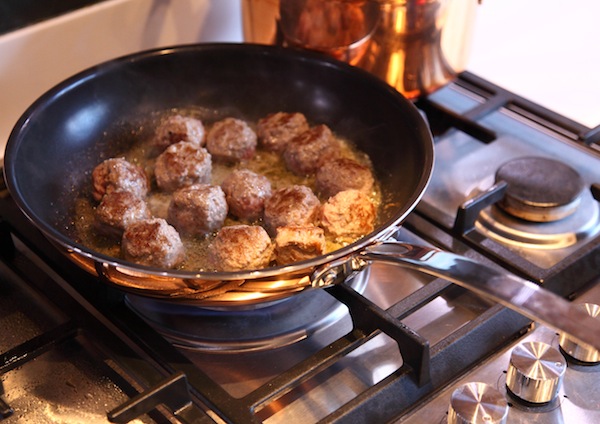
    7. Heat 3 tablespoons of the butter reserved for the sauce over medium heat in a large non-stick frying pan being careful not to burn the butter. When the butter has melted, add some of the meatballs, however do not put too many meatballs in the pan at one time so allowing them space to brown. The meatballs are only browned at this stage as they will be cooked all the way through at a later stage.
    8. Gently turn the meatballs being careful so that they don’t fall apart. Once they have been slowly browned all over, use a slotted spoon to move them onto a plate and repeat with second batch, adding remaining butter to the pan. Continue with this stage until all meatballs are browned keeping the butter left in the pan for the sauce.

    For the Sauce

    1. Slowly mix in the flour to the remaining butter mixture the meatballs were cooked in. Cook for 1 minute until it darkens slightly and then gradually add the warmed beef stock little by little, mixing constantly. Once all beef stock has been added, return the meatballs to the fry pan and allow to simmer on low for 10 minutes.
    2. Remove meatballs from sauce and arrange them on a serving plate. Then add double cream and the lingonberry jam (or substitute) to the sauce and mix well. Either drizzle the sauce on top of the meatballs if serving as a main meal or put the sauce in a bowl to be served beside the meatballs in the case of a Smorgasbord or Swedish buffet.


  5. Chocolate Profiteroles by Leiths

    Comments Off on Chocolate Profiteroles by Leiths

    A sweet classic, Leith’s chocolate profiteroles will leave wondering why you hadn’t tried making these yourself before now.

    profiteroles1

    Makes: 30 profiteroles

    Prep time: 20 minutes

    Cooking time: 25 – 35 minutes


    Ingredients

    For the choux pastry

    • 85g butter
    • 220ml water
    • 105g plain flour
    • 135g of sifted plain flour
    • A pinch of salt
    • 3 eggs, beaten

    For the filling and topping

    profiteroles2

    • 570ml double cream, whipped & sweetened with 1 tablespoon sifted icing sugar
    • 110g plain chocolate, chopped
    • 15g butter
    • 2 tablespoons water

    Equipment


    Cooking Method

    profiteroles3

    1. Preheat the oven to 200C/400F/gas mark 6.
    2. Put the butter and water into the 16cm saucepan. Heat slowly to melt the butter then turn up the heat and bring to a rolling boil.
    3. When the mixture is boiling really fast, tip in all the flour with the salt and remove the pan from the heat.
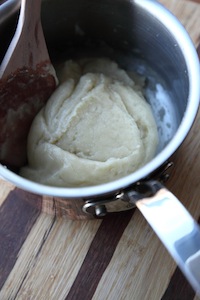
    4. Working as fast as you can beat the mixture hard with the wooden spoon: it will soon become thick and smooth and leave the sides of the pan.
    5. Spread the paste on a plate to cool to room temperature.
    6. When the mixture is no longer hot, return to the pan and beat in the eggs, a little at a time, until it is soft, shiny and smooth. If the eggs are large, it may not be necessary to add all of them. The mixture should be of a dropping consistency – not too runny. (dropping consistency means that the mixture will fall off the spoon rather reluctantly and all in a blob; if it runs off, it is too wet, and if it will not fall even when the spoon is jerked slightly, it is too thick.)
    7. Put teaspoons of the choux mixture on a baking sheet, about 8cm/3in apart.
    8. Bake in a preheated oven for 20-30 minutes. The profiteroles will puff up and become fairly brown. If they are taken out when only slightly brown, they will be soggy when cool.
    9. Using a skewer, make a hole the size of a pea in the base of each profiterole and return to the oven for 5 minutes to allow the insides to dry out. Leave to cook completely on a wire rack.
    10. When cold, put the sweetened cream into a piping bag fitted with a small plain nozzle. Pipe the cream into the profiteroles through the holes made by the skewer, until well filled.
    11. Put the chocolate, butter and water in a heatproof bowl set over, not in, a saucepan of simmering water and leave until melted.
    12. Dip the tops of the profiteroles in the melted chocolate, then allow to cool.

    NOTE: If no piping bag is available for filling the profiteroles, they can be split, allowed to dry out, and filled with cream or crème patissière when cold, and the icing can be spooned over the top. However, made this way they are messier to eat.

    Leiths